
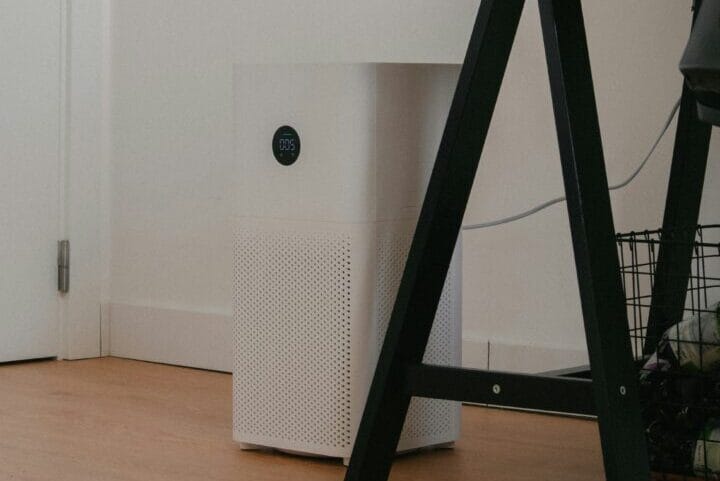

Longevity of Air Purifier Units
Most air purifiers run effectively for 5 to 10 years, with higher quality models reaching the upper end of that range. Their motors age slowly as long as the airflow path stays clear. A purifier designed with a wide intake and smooth air channels tends to outlast one with a cramped design, since the motor experiences less resistance. I’ve seen inexpensive purifiers begin to strain after just a couple of years, while well built units that receive simple maintenance remain steady a decade later. See what our top air purifier picks are for reliability and eco-friendliness.
Sensors also play a role in how long a purifier feels “usable.” Drift in the sensor chamber can make a purifier react poorly in auto mode even when the motor is still healthy. That’s why cleaning or recalibrating the sensor often restores years of usefulness. As long as the motor spins freely and the electronics remain stable, the purifier itself usually has more life left than the owner realizes.
The physical construction matters too. Purifiers with solid housings and dependable seals hold up better through room changes, bumps, and cleaning. Control panels with straightforward buttons tend to last longer than more complex designs, though both are reliable if handled gently.
How Long Filters Really Last
Filters have much shorter lifespans than the purifier itself. On average:
• HEPA or high efficiency particulate filters last six to twelve months
• Activated carbon filters last three to six months
• Washable prefilters need cleaning every one to four weeks
• All in one filter cartridges last six to twelve months
The home environment determines where your filter falls in that range. A clean apartment might stretch a HEPA filter close to a year. A home with multiple pets, regular cooking, or wildfire smoke might wear through one in a few months. Owners often notice airflow drop first, followed by a strained motor sound. That’s the filter signaling that it has fully loaded.
Some purifiers include filter tracking systems, but these are estimates rather than precise measurements. A quick visual inspection tells the true story. If the filter looks darkened, compacted, or carries a stale odor, it has reached the end of its effectiveness.
What Influences Overall Lifespan
People are often surprised that running a purifier continuously does not shorten its life dramatically. Motors are designed for steady load. What does shorten lifespan is operating the purifier with blocked intakes or clogged filters. That forces the motor to work harder, increasing friction and heat.
Placement matters more than many owners realize. Purifiers pressed against walls or tucked into tight corners do not receive balanced airflow, which strains the fan assembly. Even a few inches of clearance can improve both performance and durability.
For filters, the single easiest way to extend life is to keep the prefilter clean (if applicable). Prefilters catch pet hair, dust, and larger debris before it reaches the main filter. A clean prefilter keeps the HEPA layer from saturating too quickly. Many long time owners who vacuum or rinse their prefilters regularly report noticeably longer filter cycles.
Summary
Air purifiers typically last five to ten years, and their filters last three to twelve months depending on usage and environment. Units that receive regular cleaning, open airflow, and timely filter changes tend to reach the upper end of their lifespan. With just a few simple habits, a purifier can maintain strong performance for many years while keeping annual filter costs predictable.
Check out the following articles to learn more on how long specific brands last for: Blueair, Dyson, and Winix