

Most household appliances are engineered with a service life of roughly 10 to 15 years under typical residential conditions, yet a surprising number fail closer to the 5 to 7 year mark. In the field, this gap rarely traces back to poor manufacturing or weak brand quality. It almost always comes down to how the appliance is used day after day, often in ways that feel completely normal to the owner.
What shortens lifespan is not abuse in the obvious sense. It is steady, repeated stress that never quite crosses the line into misuse but quietly accumulates until major components reach the end of their mechanical tolerance.
Lifespan Is About Cycles, Load, And Heat
From a technician’s perspective, appliances age based on cycles, load intensity, and operating temperature, not calendar years. Motors, pumps, bearings, and control relays are rated for a finite number of starts and duty cycles. Whether those cycles are spread across twelve years or compressed into six determines how long the machine survives.
I have serviced dishwashers that looked nearly new cosmetically but had pumps worn beyond service limits because they ran twice a day for years. I have also seen washers approaching fifteen years old that were mechanically sound simply because they ran moderate loads a few times per week. The machines were similar. The usage history was not.
Frequency And Load Work Together To Create Wear
High usage alone does not necessarily shorten lifespan, but high usage combined with heavy loads almost always does. When washers are consistently filled to the brim, motors draw higher current, suspension systems stay under constant strain, and bearings operate closer to their limits. The machine continues to function normally for years, which masks the damage until it becomes expensive.
Dryers show a similar pattern. Lightly loaded dryers with proper airflow often reach or exceed their expected lifespan. The same dryer running dense, heavy loads daily will often develop motor noise, belt wear, or thermal failures years earlier. In those cases, the appliance did exactly what it was asked to do, just more often and under more stress than it was designed for long term.
Interruption And Restart Stress Is Often Overlooked
One of the quieter contributors to early failure is frequent interruption. Pausing cycles, canceling programs halfway through, or repeatedly opening doors forces components to experience thermal and electrical changes they were not optimized for repeatedly.
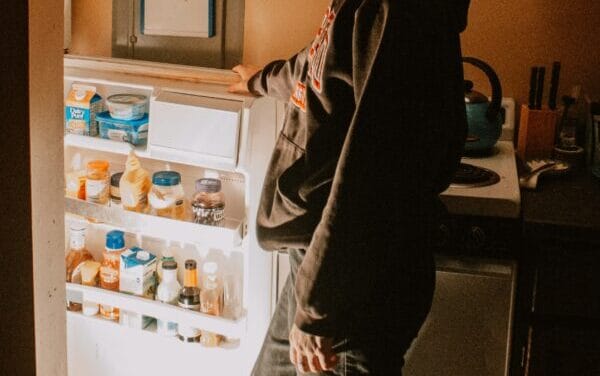
Dishwashers that are stopped mid cycle experience abrupt heating and cooling transitions that seals and electronic relays absorb. Refrigerators subjected to frequent door openings cause compressors to restart more often, increasing wear on start components and internal windings. None of this causes immediate failure, but it steadily reduces long term reliability.
Heat Builds Damage That Owners Never See
Heat is one of the most consistent predictors of shortened lifespan across all appliance categories. Restricted airflow in dryers, clogged dishwasher filters, and tightly enclosed refrigerators all raise internal temperatures. Elevated heat hardens insulation, degrades lubricants, and accelerates electronic component aging.
In several dryer failures I have diagnosed, the root cause was not a defective motor but years of elevated operating temperature due to poor airflow. By the time symptoms appeared, the internal damage was already irreversible.
Maintenance Helps But Cannot Override Usage
Regular maintenance absolutely slows wear, but it cannot fully compensate for aggressive usage. Clean filters, descaled pumps, and clear vents improve efficiency and reduce heat, yet they do not change cycle count or mechanical load.
Machines that are heavily used but well maintained often fail later than neglected ones, but they still fail earlier than lightly used machines with average maintenance. Maintenance buys margin, not immunity.
Usage Patterns That Shorten Lifespan Most
| Usage Pattern | Appliance Type | Resulting Wear | Typical Lifespan Impact |
|---|---|---|---|
| Oversized loads | Washing machines | Bearing and suspension fatigue | Minus 4 to 6 years |
| Back to back cycles | Dishwashers | Pump and heater relay wear | Minus 3 to 5 years |
| Poor airflow | Dryers | Motor overheating and fuse failure | Minus 5 years |
| Frequent door opening | Refrigerators | Compressor and start relay wear | Minus 2 to 4 years |
| Interrupted cycles | All appliances | Seal and electronic stress | Gradual early failure |
Why Brand Reputation Only Explains Part Of The Story
Brand quality matters, but usage patterns overwhelm brand differences faster than most people expect. Higher end machines often rely on tighter tolerances and more electronics, which means they tolerate poor usage habits less gracefully. Simpler machines sometimes survive longer under heavy use simply because there are fewer components to stress.
This is why reviews can be misleading. Two owners can buy the same appliance and report drastically different experiences. In many cases, both are accurate reflections of how the machine was used.
What Technicians Notice Before Failure Occurs
Early signs of wear often appear long before a breakdown. Changes in sound are the most common indicator. A dishwasher that sounds rougher at startup, a dryer that hums longer before spinning, or a washer that vibrates slightly more than it used to are all early warnings.
These symptoms rarely trigger service calls on their own, but they tell a clear story to someone who sees hundreds of machines every year.
The Tradeoff Most Homes Quietly Accept
Shortened lifespan is often the cost of convenience. Running extra loads saves time today but borrows from future reliability. Once homeowners understand that tradeoff, many adjust habits without sacrificing functionality.
Smaller loads, fewer interruptions, and better airflow rarely feel dramatic, yet over a decade they often determine whether an appliance reaches its intended retirement or fails several years early.
Frequently Asked Questions
Does running appliances more often always shorten lifespan?
Yes. More cycles increase wear even when the appliance is properly maintained.
Are oversized loads worse than frequent use?
In most cases, yes. Excessive load accelerates mechanical stress faster than added cycles alone.
Can maintenance offset heavy usage?
Maintenance helps reduce heat and friction but cannot eliminate wear from high cycle counts.
Why do identical appliances fail at different ages?
Usage patterns vary significantly between households, even with the same model.
When is repair no longer worth it?
Repeated failures involving motors, bearings, or compressors usually indicate the appliance is nearing the end of its service life.