

If I were standing in an empty house tomorrow and had to buy every major appliance from scratch, I would approach the process very differently than I did years ago. Not because I’ve become more brand loyal or more price sensitive, but because time, repairs, and a few expensive lessons have changed how I define “good.” At this point, I care far less about feature lists and far more about how an appliance behaves five, eight, or ten years down the road.
Modern appliances are impressive in a showroom. They are quiet, efficient, and packed with options that sound useful at first glance. What you don’t see is how those same design choices influence reliability, repair costs, and day-to-day ownership. If I were buying today, I’d filter every purchase through a handful of priorities that have proven to matter far more than advertised specs.
Simplicity Over Features
The first thing I would prioritize is restraint. Every added feature introduces another component, sensor, or software routine that can fail. While some features genuinely improve performance, many exist primarily to differentiate models at higher price points.
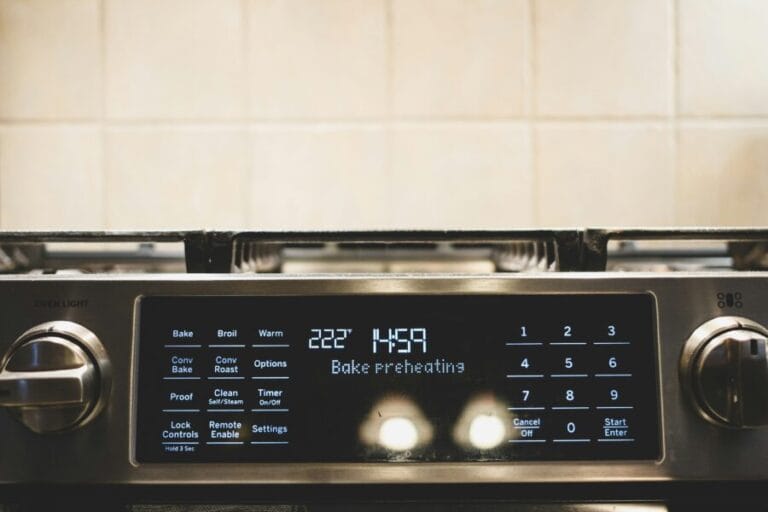
I would avoid appliances where the control panel looks like a tablet interface unless there was a clear functional reason for it. Touchscreens, capacitive buttons, and Wi-Fi connectivity all depend on electronics that are far more failure-prone than traditional switches and knobs. When those components fail, they rarely degrade gracefully, and replacement costs are often disproportionate to the value they provide.
This doesn’t mean buying bare-bones machines, but it does mean asking a simple question for every feature: does this materially improve how the appliance performs its core job, or does it just make the spec sheet longer? Learn more about our perspective on this in our article: How Appliance Design Has Changed in the Last 30 Years.
Control Interfaces
How an appliance is controlled matters more than most people realize. Mechanical knobs and simple digital displays tend to age better than complex touch interfaces. They are easier to understand, easier to diagnose, and often easier to replace.
If a machine requires a functioning display board just to start a basic cycle, I see that as a liability rather than a benefit. In contrast, appliances that separate core operation from secondary electronics often remain usable even when something minor fails.
I would look for controls that feel deliberate and durable, not delicate or overly stylized. A solid click or firm turn tells you a lot about how the manufacturer expects the machine to be used over time.
Proven Platforms, Not the Latest Redesign
One of the biggest mistakes buyers make is chasing the newest model year. Major redesigns are where unknowns live. Even well-intentioned improvements can introduce weaknesses that don’t show up until thousands of units are in real homes.
If I were buying today, I would actively look for platforms that have been in production for several years with only incremental updates. These designs have already absorbed early failures, manufacturing adjustments, and service feedback. Replacement parts are easier to find, and technicians are more familiar with common issues.
Stability matters more than novelty. A slightly older design that has been refined is almost always a safer bet than a brand-new architecture with no long-term track record.
Efficiency as a Requirement, Not a Differentiator
Energy efficiency matters, but it is no longer a meaningful differentiator among major brands. Most modern appliances meet high efficiency standards by default, and chasing marginal gains can sometimes lead to added complexity without meaningful real-world savings.
Rather than buying the most efficient model on paper, I would look for one that balances efficiency with durability. Variable-speed motors and inverter systems can be excellent when implemented well, but they should not come at the expense of serviceability or robustness.
In practical terms, I’d rather accept a small efficiency tradeoff if it means fewer sensors, simpler control logic, and a lower likelihood of expensive electronic failures.
Repairability as Part of the Purchase Price
Repairability is rarely advertised, but it should be part of the buying decision. I would research whether common replacement parts are available, how expensive they are, and how often they fail.
If a single electronic board costs a large percentage of the appliance’s purchase price, that machine effectively has a built-in expiration date. In contrast, appliances where common wear items are affordable and accessible tend to offer better long-term value, even if their upfront cost is higher.
I would also look at how components are integrated. Appliances built from modular assemblies are easier to service than those where multiple functions are bundled into a single sealed unit.
Weight and Build Feel More Than Styling
This may sound old-fashioned, but weight and physical feel still tell a story. Thicker metal panels, rigid doors, and solid hinges usually indicate better vibration control and longer structural life.
Modern appliances don’t need to be tanks, but they should not feel flimsy. Excessive flex, lightweight doors, or thin internal racks often correlate with faster wear, especially in high-use households.
Styling fades quickly. A machine that feels solid every time you use it continues to pay dividends long after the novelty wears off.
Skeptical of Smart Connectivity
If an appliance truly benefits from connectivity, such as remote diagnostics that actually work or firmware updates that fix real issues, I’d consider it. But most “smart” features offer limited practical value while adding complexity.
Wi-Fi modules, cloud dependencies, and app integrations introduce failure modes that have nothing to do with washing, cooling, or drying. When those systems stop being supported, the appliance often becomes harder to use rather than easier.
I would only choose connected features if the appliance remains fully functional without them and does not rely on an app for basic operation.
Expectations Around Lifespan
One of the most important shifts I’d make is mental rather than technical. I would not expect modern appliances to last twenty years the way older mechanical machines sometimes did. That expectation leads to disappointment and poor decision-making.
Instead, I’d evaluate appliances on realistic service life and total cost of ownership. If a machine performs well for ten to twelve years with minimal trouble and reasonable repair costs, I’d consider that a success.
This mindset also makes replacement decisions clearer. When a major electronic component fails late in life, replacing the appliance can be a rational choice rather than a frustrating one.
More Time Choosing and Less Time Comparing
Finally, I would simplify the buying process itself. Endless comparisons often focus on marginal differences that don’t matter long-term. Instead, I’d narrow choices quickly based on core priorities and spend time verifying reliability rather than chasing perfection.
Appliance ownership is less about finding the “best” model and more about avoiding the worst tradeoffs for your situation. A machine that fits your usage patterns, maintenance habits, and tolerance for repair complexity will almost always outperform a theoretically superior model that doesn’t.
The Bottom Line
If I were buying all new appliances today, I wouldn’t shop with optimism. I’d shop with clarity. I’d prioritize simplicity, proven designs, repairability, and realistic expectations over features, novelty, and marketing promises.
Modern appliances can perform extremely well when chosen thoughtfully. The key is understanding how design choices affect long-term ownership and aligning purchases with how these machines actually behave in the real world, not how they look under showroom lights.