
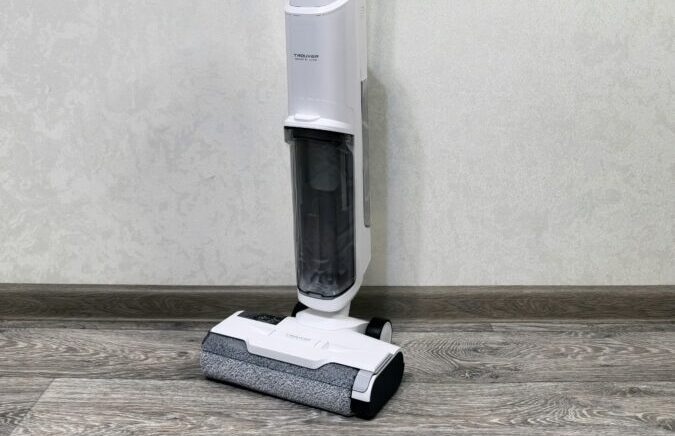

Tineco vacuums generally last 3 to 6 years in typical household use. Most failures occur on the earlier side of that range for heavily used cordless models, while lighter use households often reach the upper end. Lifespan is driven less by the motor itself and more by battery degradation, moisture exposure in wet dry units, and brush roll wear.
Tineco focuses heavily on cordless convenience and multi-function cleaning. That design tradeoff prioritizes lightweight construction and smart features over long-term serviceability, which shapes realistic lifespan expectations. Tineco vacuums have similar expected lifespan to vacuums from Roomba and Black + Decker.
Tineco as a Brand and Design Philosophy
Tineco primarily builds cordless stick vacuums and wet dry floor cleaners rather than traditional corded uprights. Their designs rely on lithium-ion battery packs, compact high-speed motors, sealed brush heads, and electronic controls.
From a service perspective, these designs clean well but age differently than corded vacuums. Batteries and electronic assemblies become the limiting factor long before motors wear out. Learn more about these issues here.
Average Lifespan by Tineco Vacuum Type
| Tineco Vacuum Type | Common Models | Typical Lifespan | Primary Limiting Factor |
|---|---|---|---|
| Cordless stick | A-Series, Pure One | 3 to 5 years | Battery wear |
| Wet dry vacuum | iFloor, Floor One | 3 to 5 years | Moisture exposure, sensors |
| Lightweight handheld | Accessories and combos | 3 to 4 years | Battery and motor strain |
| Light use cordless | Smaller homes | 5 to 6 years | Battery aging |
Battery Life as the Main Lifespan Limiter
Battery degradation is the most common end-of-life factor for Tineco vacuums. Lithium-ion batteries typically last 300 to 500 charge cycles, which often translates to 2 to 4 years of regular use. Once capacity drops, runtime becomes inconsistent and cleaning coverage suffers.
Technicians see many Tineco units retired not because they stop working, but because runtime becomes too short to be useful. Replacement batteries are sometimes available, but cost and availability vary by model generation.
Heat accelerates battery wear. Thick carpets, clogged filters, and extended max-power usage raise internal temperatures and shorten battery lifespan.
Brush Roll and Drive Wear
Brush roll assemblies on Tineco vacuums are compact and tightly sealed. Hair, thread, and fine debris build resistance inside the brush head over time. As resistance increases, the motor draws higher current and heat rises.
On wet dry models, moisture combined with debris accelerates bearing wear. Even with self-cleaning functions, technicians often find residue buildup inside brush housings after extended use.
Brush roll wear rarely causes sudden failure. Instead, suction and pickup performance decline gradually before noise or shutdown issues appear. Check out this article for a full repair guide.
Electronics and Sensor Aging
Many Tineco models use sensors to adjust suction, monitor water flow, or manage self-cleaning cycles. These electronic components are reliable early on but sensitive to moisture, dust intrusion, and heat cycling.
Wet dry models are more vulnerable because moisture is part of normal operation. Over several years, sensor drift and corrosion become more common, especially in homes that do not fully dry the unit after use.
Once control boards or sensor assemblies fail, repair options become limited compared to mechanical repairs.
Motor Longevity
High-speed digital motors used in Tineco vacuums are generally durable. Actual motor failure is less common than battery or electronic issues. When motors do fail, it is usually due to prolonged overheating from airflow restriction or debris ingestion.
Filters that are not cleaned regularly contribute directly to motor stress. Restricted airflow raises operating temperature and shortens component life.
Maintenance Habits That Affect Tineco Lifespan
Usage patterns strongly influence how long a Tineco vacuum lasts.
Homes that see the longest lifespan typically:
- Clean filters on schedule
- Avoid storing the vacuum fully discharged
- Let wet dry units fully dry between uses
- Remove hair from brush rolls regularly
- Avoid running on max power unnecessarily
Neglecting these steps accelerates battery and electronic wear more than mechanical wear. Check out this article to see our full recommended maintenance schedule for vacuums.
Repairability and Parts Availability
Tineco vacuums are moderately repairable. Batteries, filters, brush rolls, and some sensors are replaceable. However, many internal components are not designed for long-term servicing.
Once control boards or sealed electronic assemblies fail, repair costs often approach replacement value. This is common across most cordless vacuum brands, not unique to Tineco.
Independent repair is usually limited to battery and brush-related issues. Internal electronic failures are less economical to address. Check out this article to see how much common repairs cost.
Realistic Ownership Expectations
Over a typical ownership period, most Tineco users can expect:
- One battery replacement or noticeable battery decline
- Multiple filter and brush roll replacements
- Gradual reduction in runtime over time
Total usable lifespan averages 3 to 6 years, with lighter-use households pushing past five years.
Technician Perspective
From a technician standpoint, Tineco vacuums perform well during their prime years but are not built for decade-long service life. Their value lies in convenience, strong cleaning performance, and compact design rather than long-term rebuildability.
Owners who understand that battery health defines lifespan tend to be the most satisfied long-term. When runtime becomes insufficient, replacement rather than extensive repair is usually the practical outcome.
Tineco vacuums typically last 3 to 6 years, depending on model type, usage intensity, and maintenance habits. Battery degradation is the primary lifespan limiter, followed by electronic aging in wet dry units. With realistic expectations and consistent care, Tineco vacuums deliver solid performance throughout their intended service life.
The data is drawn from owner reviews, user reports, and long-term discussions in online forums, supplemented by technician feedback.