
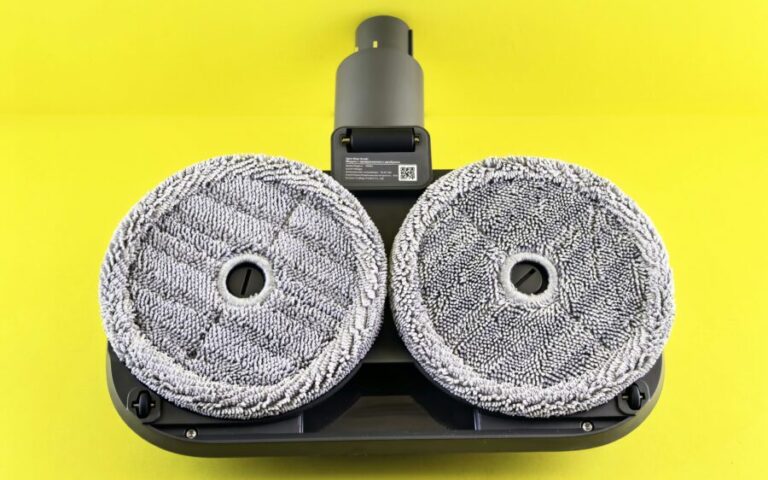

Tineco vacuum repair costs generally fall between $60 and $400, with most common repairs landing closer to the lower end of that range. Unlike traditional corded vacuums, Tineco models rely heavily on lithium-ion batteries and electronic assemblies, which shapes both repair frequency and cost.
From a technician’s perspective, Tineco failures tend to be modular. Batteries, brush rolls, filters, and some sensors are serviceable. Control boards and sealed electronic modules are not always economical to repair once they fail. With proper maintenance, Tineco vacuums typically last 3-6 years.
Average Tineco Vacuum Repair Cost Table
| Repair Component | Common Symptom | Typical Part Cost | Total Cost With Labor |
|---|---|---|---|
| Battery pack | Short runtime, shuts off early | $60 – $150 | $80 – $200 |
| Brush roll assembly | Poor pickup, loud noise | $25 – $70 | $90 – $180 |
| Filter housing / seals | Weak suction | $15 – $40 | $80 – $150 |
| Drive motor (brush head) | Brush not spinning | $40 – $100 | $150 – $250 |
| Main vacuum motor | No suction, overheating | $80 – $150 | $220 – $350 |
| Sensor assembly (wet dry models) | Error messages, shutdowns | $30 – $90 | $150 – $280 |
| Charging dock / power module | Will not charge | $30 – $80 | $120 – $200 |
| Control board | Dead unit, erratic behavior | $150 – $250 | $300 – $400 |
What Drives Tineco Repair Costs
Battery-Centric Design
Most Tineco vacuums are cordless. Battery packs are the most common failure point and also the most frequently replaced component. Repair cost depends heavily on battery generation and availability.
Wet Dry Model Complexity
Wet dry Tineco models introduce pumps, water sensors, and moisture-prone electronics. These components raise repair complexity and cost compared to dry-only stick vacuums.
Parts Availability by Generation
Tineco updates model generations frequently. Older units may still be repairable, but part pricing increases as availability declines.
Labor vs Parts
Labor is generally predictable. Most cost variation comes from part pricing rather than diagnostic time.
Most Common Tineco Repairs Explained
Check out this article for a more in-depth breakdown of these repairs.
Battery Replacement
Battery degradation is the number one Tineco repair. Technicians diagnose battery failure by observing runtime behavior and testing voltage stability under load. Internal inspection always begins with disconnecting power.
Replacing the battery typically restores full performance unless secondary airflow or motor issues exist.
Brush Roll and Head Assembly Issues
Hair, thread, and debris accumulate inside sealed brush heads. As resistance increases, motors draw more current and eventually fail. Wet dry models are especially vulnerable due to residue buildup.
Technicians often replace the entire brush assembly rather than rebuilding internal components.
Suction Loss and Airflow Restriction
Restricted airflow from clogged filters or seals increases motor heat and reduces suction. Technicians inspect the full air path before condemning the motor, as many suction complaints are resolved without major part replacement.
Sensor Failures in Wet Dry Units
Moisture exposure accelerates sensor drift and corrosion. Early symptoms include error messages, incomplete cleaning cycles, or refusal to start.
Sensor replacement is moderately priced if caught early, but repeated moisture damage can lead to control board failure.
Control Board Failures
Control board issues are less common but expensive. Symptoms include random shutdowns, failure to power on, or inconsistent behavior across functions.
Once the control board fails, repair costs approach the upper end of the typical range.
Manufacturer Service vs Independent Repair
Tineco offers warranty replacements during coverage periods rather than component-level repair. This is efficient early on but less cost-effective once the unit is out of warranty.
Independent repair focuses on component isolation. Batteries, brush rolls, sensors, and motors are replaced individually when confirmed faulty. This approach keeps costs lower and avoids replacing otherwise functional assemblies.
However, independent repair options become limited when electronic control modules fail, as parts availability and pricing reduce economic viability.
Typical Lifetime Repair Spending
Over a typical ownership period, Tineco owners often encounter:
- One battery replacement
- Multiple filter and brush roll replacements
- Possible sensor or motor service on wet dry models
Total repair and maintenance spending commonly falls between $150 and $450 across the usable life of the vacuum.
Perspective on Repair Value
From a service standpoint, Tineco vacuums are worth repairing when failures are isolated and occur within the first few years of ownership. Battery and brush-related repairs offer strong value. Extensive electronic failures late in life usually signal diminishing returns.
On the fence about repairing or replacing your appliance? Our free Repair or Replace Calculator can point you in the right direction.
Understanding these cost dynamics helps owners decide when repair is practical and when replacement becomes the more sensible option.
Tineco vacuum repair costs usually range from $60 to $400, with batteries and brush assemblies accounting for most service calls. Electronics and motors drive the highest repair costs, especially on wet dry models. With realistic expectations and timely service, most Tineco vacuums deliver solid value throughout their intended lifespan.