
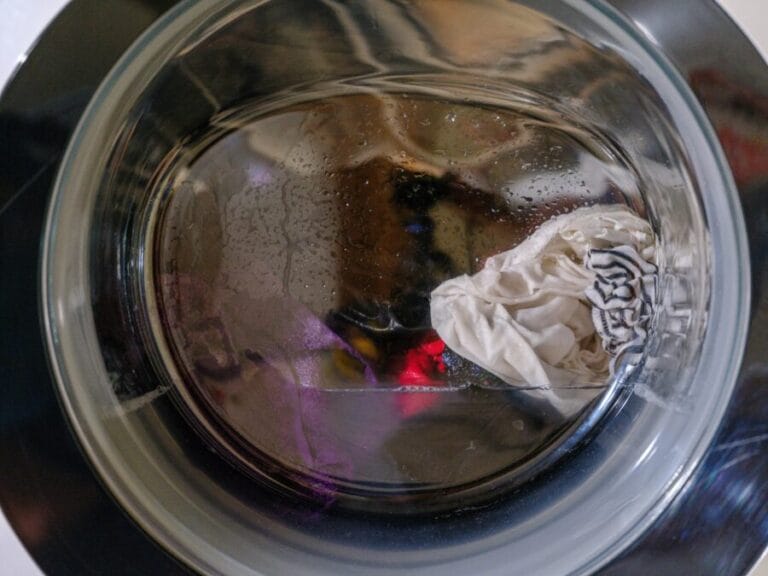

LG washers are known for solid reliability, but a draining problem is one issue that shows up again and again as the machine ages. When water sits in the drum, cycles stop mid-way, or the washer flashes an OE error, the cause is usually something predictable. Clogged filters, kinked hoses, and worn drain pumps make up the bulk of technician service calls. Getting familiar with these symptoms gives you a real advantage because most drain issues can be identified quickly with a few simple checks. This guide walks through the causes that appear most often and the troubleshooting steps that help confirm exactly where the problem is coming from.
Not your issue? Check out other common failures on LG washing machines.
Troubleshooting Steps
Step 1: Check the Drain Filter
LG designs most front load models with a front-access filter, and a clogged filter is one of the most common reasons for slow or no drainage.
What to look for:
• Standing water in the drum after the cycle.
• Washer stops mid-cycle with an OE drain error.
• A low humming noise from the pump but no water movement.
What to do:
- Power off the washer.
- Place a shallow pan or towels under the filter door.
- Slowly loosen the filter and let the trapped water drain out.
- Remove debris like coins, lint, hairpins, baby socks, and detergent buildup.
- Reinstall the filter tightly.
If the filter was heavily clogged, the washer may return to normal immediately.
Step 2: Inspect the Drain Hose
A blocked or kinked drain hose prevents water from flowing out even when the pump is working normally.
What to look for:
• The hose is crushed behind the washer.
• The hose is pushed too far into the standpipe, causing backflow.
• Sudden drainage issues immediately after moving the washer.
What to do:
- Pull the washer forward enough to access the hose.
- Check for sharp bends or crushed sections.
- Detach the hose and run water through it in a sink.
- Remove any blockages you find.
If the hose is damaged or permanently kinked, replacement is inexpensive and straightforward.
Step 3: Listen to the Drain Pump
The sound the washer makes during the drain cycle tells you a lot about pump health.
What different sounds mean:
• A steady hum with no water movement. This often means the impeller is jammed or the pump motor has burned out.
• A grinding or rattling noise. Debris may be caught inside the pump housing.
• No sound at all. The pump may not be receiving power or the board is not sending the command.
What to do:
- Run a Spin and Drain cycle.
- Listen from the lower front area of the washer.
- If the pump hums weakly or makes no sound, the pump may need replacement.
Most LG drain pumps are accessible from the front after removing the lower panel, though some older models require rear access.
Step 4: Check for Blockages in the Pump Housing
Sometimes debris bypasses the filter and ends up directly in the pump cavity.
What to look for:
• Loud rattling from the pump.
• Washer draining inconsistently.
• Filter appears clean but draining still fails.
What to do:
- Remove power to the washer.
- Access the pump housing (usually via the lower front cover).
- Shine a flashlight inside and look for small objects.
- Remove anything blocking the impeller.
If the impeller blades are cracked or loose, the pump will need replacement.
Step 5: Evaluate the Drain Pump Motor
Once clogs and blockages are ruled out, the pump motor itself is the likely problem. These motors wear down over time, especially if the washer has been running with partial clogs for months.
What to look for:
• Weak humming or buzzing during drain.
• Pump runs loudly but moves no water.
• Washer drains but takes far longer than normal.
At this point, most technicians recommend pump replacement. It is one of the simpler washer repairs, and OEM pumps are widely available.
Step 6: Rare Causes (Less Common but Worth Checking)
While rare, these conditions can also cause drain failure:
• Faulty pressure switch causing the washer to believe the tub is still full.
• Control board not sending power to the pump.
• Blockages in the standpipe or household plumbing.
These issues usually require testing with a multimeter or involve plumbing checks beyond the washer itself.
When to Call a Repairman
A technician visit is appropriate when:
• The pump shows no signs of life during the drain cycle.
• You hear electrical buzzing or burning smells.
• The washer repeatedly throws OE errors even after cleaning the filter and hose.
• You are not comfortable removing the lower service panel.
Drain pump replacements are common and typically completed in under an hour.