
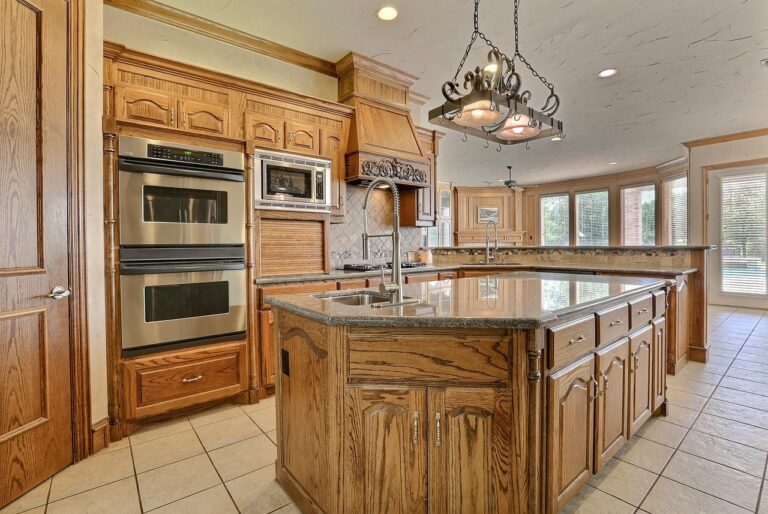

Whirlpool microwaves typically last 8 to 12 years, and that range depends on how the unit is used and how much heat it has to deal with during daily operation. This is in line with typical microwave lifespan.
Some models run well past that mark, especially in homes that use them lightly or keep the vents clean. Others age faster when the magnetron and control board face persistent heat stress. Over time, I’ve learned to judge a unit’s remaining life just by the condition of the vent screens and the smell of cooked grease inside the blower housing. Learn why we rank Whirlpool as one of the longest-lasting and most eco-friendly microwave brands,
Normal Whirlpool Lifespan
Whirlpool generally builds sturdy microwave chassis, so the exterior and door mechanisms rarely mark the end of life. What does fail are the internal components: magnetrons, high-voltage capacitors, fuses, door switches, and control boards. These wear gradually. Owners often report slow heating or intermittent shutdowns in the last stretch of the microwave’s life. Countertop units tend to run cooler and often hit the higher end of the lifespan range, while over-the-range models sometimes fall short because they sit above a cooktop and battle rising steam.
Countertop vs Over-the-Range Lifespan Differences
From what I see in the field and what owners report in repair forums, countertop versions can push ten to fifteen years with simple maintenance. They breathe better. Over-the-range models average eight to twelve years because ventilation plays a bigger role. If the blower is clogged with grease or the cabinet above traps heat, the magnetron runs hotter and fails earlier.
| Whirlpool Microwave Type | Typical Lifespan | Notes |
|---|---|---|
| Countertop models | 10–15 years | Cooler operation, fewer airflow issues |
| Over-the-range models | 8–12 years | Ventilation quality is the main variable |
| Built-in style units | 8–10 years | Higher heat load and pricier parts |
Repair vs Replace
A Whirlpool microwave under eight years old with a minor failure such as bad door switches or a blown thermal fuse is often worth repairing. Past ten years, major component failures usually outweigh the remaining lifespan. Magnetron or board replacements tend to cost more than the value of keeping an older unit alive, and parts become harder to source as models age. Learn how much repairs on Whirlpool microwaves typically cost to help inform this decision.
Signs Your Whirlpool Microwave Is Nearing the End
Slow heating, shutdowns during long cook cycles, keypad lag, or buzzing from the transformer are early clues. When several symptoms stack up at once, it usually means the high-voltage side is aging, and replacement becomes the more sensible option. Most Whirlpool units warn you before they quit; they rarely fail without a few hints.
Important Upkeep
You can gain additional years by cleaning the grease filters, checking the airflow, and wiping down the cavity before residue bakes onto the metal. Households that maintain ventilation get far better longevity than those that let heat build up around the magnetron. Whirlpool microwaves aren’t built to last forever, but they land on the upper end of the lifespan curve for typical consumer units. With decent care and normal use, most households see a full decade or more before a major failure pushes them to replace rather than repair.