
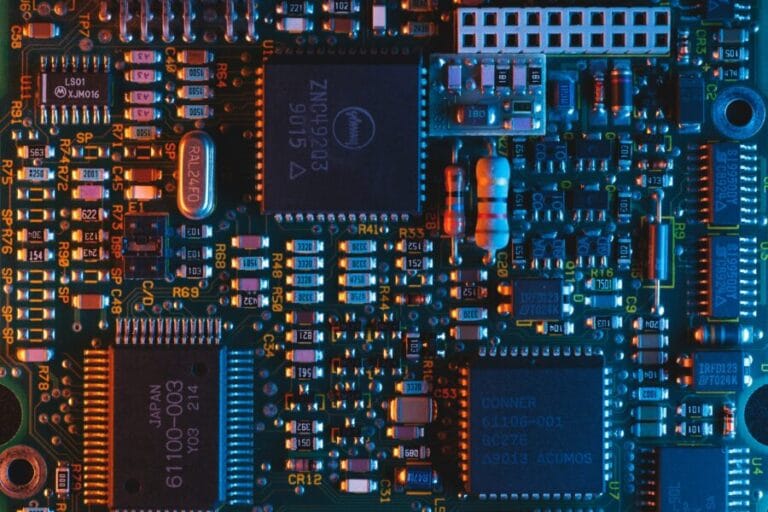

Modular appliance designs age better than integrated ones because failures stay local instead of cascading, which often allows 10–15 years of service instead of a premature replacement. After working on hundreds of dishwashers, washers, dryers, and refrigerators, the difference becomes obvious once units hit midlife. It is rarely about brand prestige or initial build quality. It is about how problems are contained.
What Modular And Integrated Designs Actually Mean
A modular appliance is built from discrete assemblies that perform a single function. Motors, pumps, control boards, valves, and heaters are physically separated and connected by wiring or hoses. When one part fails, it can usually be removed without disturbing the rest of the machine.
Integrated designs combine multiple functions into fewer assemblies. A single module may contain the motor driver, heater control, sensors, and logic board. These units look cleaner and often cost less to assemble, but failure in one area takes the entire assembly offline.
Why Modular Designs Handle Wear More Gracefully
Every appliance experiences wear. Bearings loosen, seals harden, solder joints fatigue, and connectors oxidize. In a modular layout, that wear stays isolated.
I have replaced countless circulation pumps where the motor bearings were worn but the electronics were still perfectly healthy. In a modular design, the repair stops there. In an integrated design, the pump, electronics, and sometimes the heater all get replaced together because they are bonded into one unit.
This containment is the single biggest reason modular machines age better.
Examples Of Brands And Models Using Modular vs Integrated Designs
Over time, you start to recognize design philosophy long before you recognize a specific failure. Certain brands consistently favor modular assemblies, while others lean heavily into integration for cost, packaging, or aesthetics. Below are real-world examples technicians regularly encounter in the field. Model families are listed rather than exact model numbers since designs tend to repeat within a lineup.
Brands That Commonly Use Modular Designs
These brands generally separate motors, pumps, heaters, and control boards into independent assemblies. Repairs tend to stay contained.
- Speed Queen
Top-load washers and classic dryers use discrete motors, separate timers or boards, and externally mounted pumps. Even after a decade, most failures are single-component repairs. - Miele
Many dishwashers and washers isolate circulation pumps, heaters, and electronics. Control boards are usually separate from high-heat components, which helps explain their long service life. - Bosch (select lines)
Higher-end dishwashers often use modular pump assemblies with separate control boards. Entry-level lines vary, but mid and upper tiers are generally service-friendly. - Whirlpool (traditional platforms)
Older and mid-range washer and dryer platforms typically separate drive motors, motor control boards, and user interface boards, which keeps midlife repairs reasonable.
Brands And Models That Lean Integrated
These designs combine multiple functions into fewer assemblies. They can work well early on but become costly as they age.
- LG
Many front-load washers and dishwashers integrate motor control electronics directly into motor housings or shared assemblies. When electronics fail, motors are often replaced unnecessarily. - Samsung
Washers and refrigerators frequently use combined inverter boards and sensor assemblies. Small electronic faults can disable multiple systems at once. - GE (newer smart platforms)
Newer connected appliances often combine power regulation, logic, and sensing into a single board. Once out of warranty, these units are harder to justify repairing. - Electrolux (compact and European-style units)
Integrated heater, pump, and control modules are common in space-saving designs, especially in laundry equipment.
Service Access Is Not A Luxury, It Is Longevity
Technicians often judge a machine’s future the moment the first panel comes off.
If components are stacked, clipped, or buried behind unrelated parts, routine service turns into invasive surgery. Integrated appliances often require removing multiple assemblies just to reach a minor failure point. Each removal increases the risk of broken tabs, pinched wires, or disturbed seals.
Modular designs usually place high-failure parts where they can be accessed independently. Over a decade, that difference prevents cumulative damage that slowly kills an appliance long before its core components are worn out.
Heat And Electronics Do Not Age Well Together
Heat is unavoidable in appliances. Motors generate it, heaters amplify it, and poor airflow traps it.
Integrated designs frequently place power electronics close to motors or heating elements to reduce wiring length. That saves manufacturing cost but shortens lifespan. Heat accelerates capacitor aging, dries out potting compounds, and stresses solder joints.
Modular layouts often separate high-heat components from sensitive electronics. Even a few inches of distance can mean years of additional life for control boards.
Failure Isolation Prevents Chain Reactions
One of the quiet killers of integrated appliances is secondary damage.
A leaking seal in a modular washer might drip onto a base pan and trigger a fault. The motor controller stays dry. The repair is straightforward.
In an integrated design, that same leak can travel through a shared housing and contaminate electronics, sensors, and connectors simultaneously. What started as a $40 seal failure becomes a $400 assembly replacement or a full write-off.
Cost Over Time Favors Modular Designs
Integrated appliances often look cheaper at purchase. Over time, the math reverses.
| Design Type | Typical Midlife Repair | Repair Scope | Likely Outcome |
|---|---|---|---|
| Modular | Single pump, valve, or board | One component | Appliance returns to full service |
| Integrated | Multi-function assembly | Large combined module | Repair cost approaches replacement |
| Modular | Control board failure | Board only | Economical repair |
| Integrated | Partial electronic failure | Entire integrated unit | Often scrapped |
Owners rarely see this table upfront, but technicians live it every day.
Software Longevity Is Tied To Hardware Separation
Modern appliances rely heavily on firmware. Modular designs typically separate power electronics from logic boards, which allows firmware updates or control replacements without disturbing high-current components.
Integrated systems combine power and logic on a single board. When one section fails, the entire board becomes obsolete. Firmware compatibility disappears as soon as the manufacturer stops producing that assembly.
I have seen perfectly functional motors retired simply because the integrated controller was no longer available.
Modular Designs Age Predictably
Predictable aging matters. Bearings get louder. Pumps lose pressure. Valves stick. These are gradual failures that give warning.
Integrated designs often fail abruptly. A minor electronic fault disables multiple systems at once. The appliance jumps from “working fine” to “completely dead” overnight, which usually leads to replacement instead of repair.
Predictability is why modular appliances feel like they age slowly while integrated ones feel disposable.
When Integrated Designs Still Make Sense
Integrated designs are not automatically bad. Compact appliances, entry-level models, and space-constrained designs sometimes require integration. In low-duty environments or short ownership cycles, the tradeoff can be reasonable.
The problem arises when integrated designs are marketed as long-term investments. They rarely are.
What Technicians Look For When Judging Longevity
When evaluating an appliance’s future, technicians quietly check for:
- Separate motor and control assemblies
- Physical distance between heat and electronics
- Independent replacement paths for pumps, heaters, and boards
- Minimal stacked components
Machines that meet these criteria almost always age better, regardless of brand name.
The Real Reason Modular Appliances Last Longer
Modular appliances age better because they fail one piece at a time instead of all at once. That allows repairs to remain proportional to the problem. Over 10–15 years, this difference determines whether an appliance evolves through maintenance or collapses under its own integration.
It is not nostalgia for older machines. It is basic engineering reality.
Frequently Asked Questions
Do modular appliances really last longer?
Yes. Modular appliances often reach 10–15 years because individual components can be replaced without affecting the rest of the machine.
Are integrated appliances cheaper to repair?
Usually not. Integrated repairs often require replacing large assemblies, which increases cost and reduces repair viability.
Do modular designs cost more upfront?
Sometimes. However, the long-term ownership cost is often lower due to reduced repair scope.
Are smart appliances more likely to be integrated?
Yes. Many smart features rely on integrated control modules, which can shorten practical lifespan if electronics fail.
Can an integrated appliance be reliable?
It can be reliable early in life, but long-term aging is less predictable and repairs are less forgiving.