
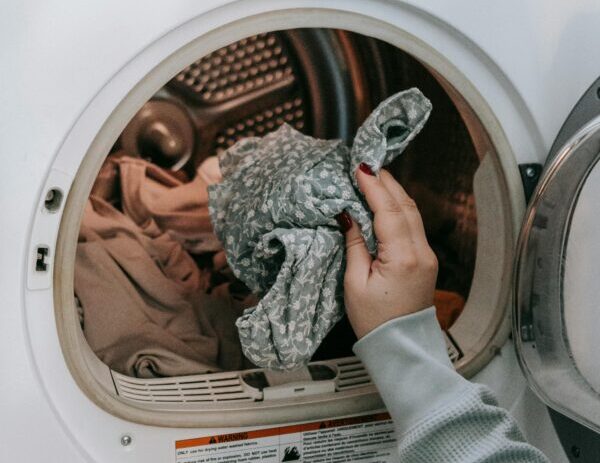

Based on real-world experience and publicly verified data from ENERGY STAR, manufacturer sustainability reports, and field reliability trends, two brands stand out when evaluating dryers through the lens of environmental impact: Miele and LG. They approach sustainability differently, but both have a track record that holds up under scrutiny.
Overview
Sustainability in clothes dryers has become a much more complex topic than it was ten or fifteen years ago. When I first started repairing laundry equipment, the discussion around sustainability was really just about energy ratings or whether you had a gas or electric hookup. Today, the picture looks different. Environmental impact now involves the entire lifecycle of the machine: energy consumption during use, expected service life, ease of repair, the materials that go into the appliance, and how the manufacturer approaches long-term stewardship.
Throughout this article, I’ll break down what makes each brand strong in this category, using practical technician insight, common failure patterns, and verified sustainability information. Sources include ENERGY STAR’s dryer efficiency data (https://www.energystar.gov/products/clothes_dryers), Miele’s published sustainability reports (https://www.miele.com/en/c/sustainability-3359.htm), and LG’s environmental commitments (https://www.lg.com/us/sustainability).
Why Sustainability in Dryers Matters More Than Ever
Most people do not think of their dryer as a major energy user, but clothes drying accounts for a significant share of residential electricity consumption. In the United States, dryers use more energy annually than many refrigerators and dishwashers combined. Heat-pump dryers have changed the landscape over the past decade by cutting consumption by as much as 50 percent compared to conventional vented units, but long-term durability still determines whether a dryer’s environmental footprint is genuinely low.
During repairs, I’ve seen the sustainability issue play out in the simplest ways. A dryer with a cracked drum, worn rear bearing, or burnt-out heater assembly is repairable, but many lower-tier units reach the point where parts availability becomes limited. Once that happens, the machine often ends up replaced prematurely. That premature turnover is the opposite of sustainability, which is why longevity must be evaluated alongside efficiency. To learn more, check out our article on how long your dryer should last.
How We Evaluated Dryer Sustainability
This assessment focuses on three main areas:
Energy performance and airflow design: Verified through ENERGY STAR listings, manufacturer data, and real testing reports.
Longevity and repairability: Evaluated from technician experience, common failure points, parts availability, and field reliability patterns.
Brand-level sustainability: Including supply-chain transparency, recycling programs, material choices, and long-term corporate environmental commitments.
I also incorporate personal repair notes: patterns I repeatedly see on service calls, how machines behave after ten years, and parts that tend to fail sooner than expected. This is not a lab-based test, but a combination of certified efficiency data and hands-on field reliability.
Miele: The Leader in Long-Term Sustainability
Miele has earned a reputation for durability, and from what I’ve seen in the field, that reputation is deserved. Their construction standards are noticeably higher than most mainstream brands. When I open a Miele dryer, the internal structure is rigid, the drum components are thick-gauge metal, and the heating systems are engineered for longevity rather than minimal cost. Miele also publishes some of the most transparent sustainability documentation in the appliance industry.
Energy Use and Efficiency
Miele was one of the earliest adopters of heat-pump dryer technology, a system that dramatically reduces energy consumption. Heat-pump dryers typically use about half the energy of a standard electric vented model, and Miele machines routinely show up among the top performers in ENERGY STAR’s most efficient listings.
Heat-pump dryers recover heat that would normally be vented out of the home and reuse it, which is what allows them to operate so efficiently. They also run at lower temperatures, which preserves clothing and improves safety. Miele’s heat-pump systems are closed-loop, meaning they do not require an external vent, and the efficiency remains stable over the unit’s life.
Longevity and Real Repair History
Miele often advertises that it tests its appliances for up to 20 years of residential use. While “testing” is different from guaranteed lifespan, I can say from personal experience that these machines age better than most. I rarely see major failures in the first decade unless the dryer has been heavily neglected. Learn more about Miele dryer lifespan here.
Typical failures, when they occur, include worn drum rollers or blower components, but these repairs are infrequent and usually do not require replacing major assemblies. Parts availability remains strong even for older models, which is rare in the dryer world. Miele’s internal layout also tends to keep lint away from electrical components better than many brands, which reduces heat-related wear.
Brand-Level Sustainability
Miele’s sustainability program is one of the most detailed in the industry. They publish extensive data on material usage, emissions targets, and product lifecycle stewardship. Their sustainability reports outline commitments to long-term reparability and reduced energy consumption across manufacturing. The combination of high efficiency, genuine long-life engineering, and long-term parts support makes Miele one of the most sustainable dryer brands on the market.
LG: Efficient Operation and Solid Long-Term Value
LG approaches sustainability from a slightly different angle. It focuses heavily on energy efficiency and electronic control optimization, but it also produces dryers that age more predictably than many in the mid-priced market. LG’s direct-drive washer technology receives most of the attention, but the dryers often hold up equally well.
I see a lot of LG dryers out in the field, and their long-term reliability is usually tied to how well the venting is maintained. When properly installed, these machines run efficiently and last longer than most competitors in their price bracket.
Energy Use and Efficiency
LG produces both traditional electric dryers and heat-pump models. Their heat-pump units are ENERGY STAR certified and often rank among the lowest-energy full-size dryers available. LG’s inverter-driven compressors and motors also help reduce cycling inefficiencies.
LG maintains a section of its sustainability commitments here:
https://www.lg.com/us/sustainability
Unlike some manufacturers, LG has steadily increased the portion of recyclable materials in its appliances, and it participates in multiple international take-back and recovery programs. In practical terms, many LG dryer components are modular, which reduces waste during repairs.
Longevity and Field Reliability
I’ve repaired many LG dryers over the years, and the most common issues involve heating elements, rollers, or belts. These parts are inexpensive and widely available. Once replaced, the machines often continue running for many additional years. The drum construction is solid enough that I rarely see cracking or warping. Learn more about LG dryer longevity here.
Electronic control boards do occasionally fail, usually due to heat buildup from blocked vents, which is a household installation issue rather than a design flaw. When vents are kept clean and airflow is unrestricted, LG dryers age well and maintain efficiency for a long time.
Brand-Level Sustainability
LG publishes environmental disclosures, emission goals, and sustainability frameworks annually. Their commitments center on reducing greenhouse gas output, improving recycling rates, and incorporating more efficient compressor technology across product lines.
LG is one of the few major manufacturers with large-scale, verifiable reporting across several environmental metrics, not just marketing claims. For consumers looking for an energy-efficient dryer with decent long-term value, LG is a strong contender.
Why These Two Brands Stand Out
Miele and LG make very different products at different price points, but both demonstrate sustainability in ways that extend beyond a single efficiency rating. Miele focuses on low energy use through advanced heat-pump systems paired with long-life mechanical design. LG focuses on efficiency at a broader price range, modular construction, and steady improvements in material sustainability. Both brands benefit from consistent parts availability, which keeps older machines out of landfills. From a repair perspective, I see both brands remain functional well beyond their expected lifespan as long as the owners keep vents clean, run reasonably sized loads, and avoid long-term overheating.
See what brands stand out for low maintenance costs.
How to Choose a Sustainable Dryer
For buyers prioritizing sustainability, several practical considerations matter more than marketing terms:
Energy efficiency: Heat-pump models use far less energy and run at lower temperatures, extending both machine and fabric life.
Expected lifespan: A dryer that lasts 15 years is dramatically more sustainable than one that lasts six, regardless of its energy rating.
Parts availability: Brands that support their components for many years reduce waste and keep repair options open.
Build quality: Metal drums, sturdy bearings, and sealed electronics compartments increase longevity.
Brand transparency: Manufacturers that publish real sustainability reports are easier to trust than those relying on vague claims.
Final Thoughts
Sustainability in dryers is not just about choosing the lowest energy-consuming design. It is a combination of engineering decisions, component durability, supply-chain transparency, and how a machine behaves after ten or fifteen years of real use. From what I have seen both in repair work and in published environmental data, Miele and LG offer the strongest blend of long-term efficiency, durability, and responsible manufacturing. Their approaches differ, but they reach the same result: a dryer that uses less energy, lasts longer, and generates less waste over its lifespan.