
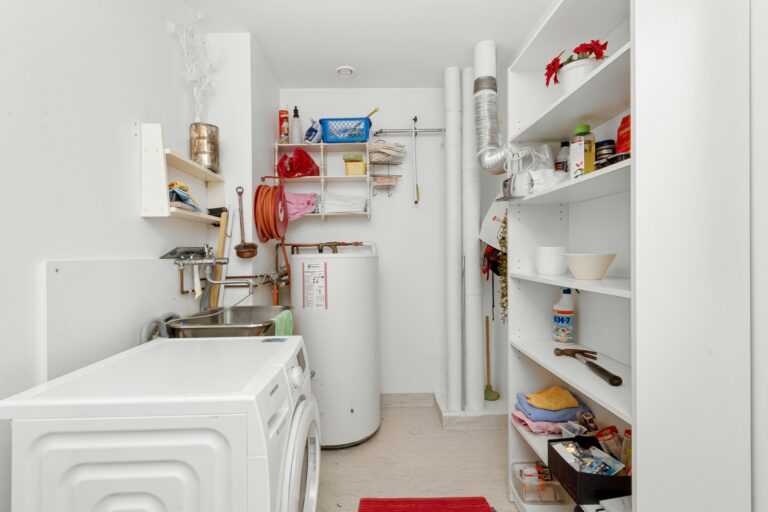

Most Bradford White water heaters last 10 to 15 years, and many go beyond that range when they are installed correctly and maintained on schedule. Most water heaters on the market currently last between 8 and 20 years. From a technician’s standpoint, they are among the more consistently built residential water heaters on the market. The internal tank construction, heavier anode rods, and conservative burner and control designs all contribute to slower wear over time compared to many budget models. This is why we consider Bradford White to be one of the most reliable water heater brands.
In real-world service work, it is common to see Bradford White tanks still operating normally at twelve or thirteen years while similar units from lighter-duty brands are already leaking. Once a Bradford White heater reaches that age, performance usually declines gradually instead of failing suddenly, which gives owners some warning before replacement becomes necessary.
What Factors Most Influence Their Lifespan
Water quality plays the largest role. Homes with hard water see faster sediment buildup inside the tank, which increases internal corrosion and reduces heat transfer. When sediment is allowed to accumulate for years without flushing, even a high-quality tank will wear out early.
The anode rod is another key factor. This rod sacrifices itself to protect the steel tank from rust. When the anode is consumed and not replaced, corrosion begins attacking the tank walls directly. Many Bradford White heaters last several years longer than average simply because their factory anodes tend to be heavier duty than what is installed in some competing brands.
Installation also matters. Poor venting, undersized gas supply, improper electrical grounding on electric models, or installing the heater in a high-moisture environment all accelerate aging. Bradford White heaters are durable, but they are not immune to poor installation conditions.
Common Age-Related Issues
As these heaters approach the ten-year mark, a few predictable issues start showing up. Heating elements on electric models may begin to scale over, leading to slower recovery time. Gas units can develop wear in the thermocouple, pilot assembly, or gas valve. Temperature and pressure relief valves may begin to seep. None of these items usually end the tank, but they often mark the point where owners start spending small amounts on maintenance instead of just running the heater untouched. Tank leakage is the true end-of-life condition. Once a Bradford White tank begins leaking from the bottom seam or sidewall, replacement is the only practical option. Check out this article to learn more about these common issues.
Differences Between Water Heater Types
Bradford White produces several water heater types, and their lifespan behavior is not identical.
Standard gas tank heaters usually fall within the normal 10–15 year range. The burner assembly and flue system experience higher heat stress, so while they recover faster, they can also show earlier burner and flue corrosion in some installations.
Electric tank heaters often age a little more gently because the heat source is evenly distributed through the elements. When maintained, they frequently reach the upper end of the lifespan range, though element and thermostat replacements become more common in the second half of their life.
Tankless Bradford White units operate on a different lifespan model entirely. These do not have a steel storage tank that corrodes in the same way. With proper annual descaling, tankless systems can run well beyond 15 years. However, their control boards, sensors, and heat exchangers determine their practical service life rather than a corrosion clock.
When to Repair
Most component repairs remain worthwhile as long as the tank itself is sound. Replacing a gas valve, thermocouple, heating element, or control is typically far cheaper than installing a new heater. If the unit is under ten years old and showing no signs of internal leakage, repairs almost always extend useful life by several more years. Repair cost plays a factor too, and you can learn more about how much these units cost to repair here.
Once a tank passes twelve to fifteen years, decisions become more situational. If the heater has already needed multiple repairs and shows early corrosion at fittings or seams, replacement becomes the more reliable long-term solution.
How to Get the Maximum Life Out of One
Flushing the tank once a year removes sediment and keeps heat transfer efficient. Checking the anode rod every few years and replacing it when worn dramatically slows internal corrosion. Keeping the area around the heater dry and well ventilated also helps protect the base and connections from rust. These simple steps are often the difference between a Bradford White heater that fails at ten years and one that keeps running for fifteen or more.