
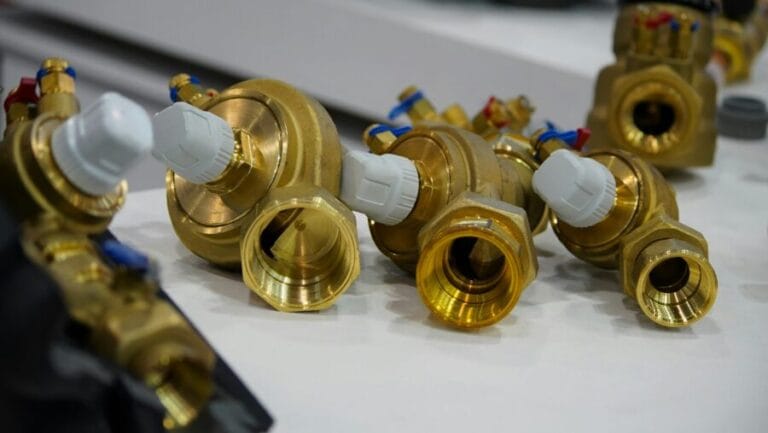

Most Bradford White water heaters are built to run for many years with minimal trouble, but like any system, they eventually develop predictable issues tied to heat, water chemistry, and mechanical wear. The good news is that most failures start with clear warning signs and are repairable long before the heater reaches the end of its useful life. This guide walks through the most common real-world Bradford White problems, how technicians diagnose them, and what repairs typically involve. Despite some common issues, Bradford White water heaters are some of the most reliable on the market.
This article is based on hands-on technician experience, teardown inspection, owner reports, and parts supplier data.
Troubleshooting Overview
| Symptom | Likely Cause | Technician Will… |
|---|---|---|
| No hot water or unstable temperature | Failed heating element (electric), gas valve/thermocouple failure (gas), scale on elements | Test element resistance, check millivolt output, inspect burner airflow |
| Pilot light will not stay lit | Weak thermocouple, restricted combustion air, dirty pilot orifice | Measure thermocouple output, clean burner chamber, inspect draft and airflow |
| Rumbling or popping noises | Sediment buildup creating steam pockets | Drain tank, evaluate sediment severity, perform flushing |
| Water leaking at unit | Faulty fittings or relief valve; internal tank failure | Inspect all fittings, test T&P valve, determine if breach is internal |
| Low hot water pressure | Scale in outlet nipple or heat trap, dip tube restriction | Remove outlet fittings, inspect dip tube and ports, clean scale |
| Error codes on newer models | Ignition faults, airflow issues, sensor errors | Interpret LED codes; test sensors, pressure switches, and ignition components |
Common Symptoms and Troubleshooting
No Hot Water or Inconsistent Hot Water
When a Bradford White heater suddenly stops producing hot water or the temperature becomes unreliable, the most likely cause is a failing heating element in electric models or a gas control problem in gas models. In electric units, the upper element does most of the initial heating and the lower element maintains temperature during steady use. When either element burns out or becomes coated in mineral scale, heat output drops quickly. Technicians confirm this by checking resistance across the element terminals with a multimeter. An open circuit means the element has failed.
On gas models, inconsistent heating usually traces back to a weak thermocouple, a failing gas valve, or restricted burner airflow. The thermocouple is a small safety sensor that proves flame presence. When it weakens, the gas valve shuts down intermittently. Flame inspection and millivolt testing confirm the diagnosis.
Pilot Light Will Not Stay Lit
When the pilot flame goes out repeatedly, the cause is almost always in the flame-sensing or air supply system. A thermocouple that has oxidized or shifted out of the flame path cannot generate enough voltage to keep the gas valve open. Technicians verify this by measuring thermocouple output while the pilot is burning.
Secondary causes include restricted combustion airflow from lint or dust buildup around the burner assembly, or negative pressure issues in the room where the heater is installed. A quick inspection of the burner chamber and draft path usually reveals whether airflow is part of the problem. Learn more about fixing this issue here.
Rumbling, Popping, or Banging Noises
Noise is one of the most common long-term complaints on Bradford White tank heaters, especially in areas with hard water. As minerals fall out of solution during heating, they settle at the bottom of the tank and form a hardened sediment layer. Water trapped beneath this layer flashes into steam during heating cycles, producing a rumbling or popping sound.
Technicians confirm sediment buildup by draining several gallons from the tank and inspecting the discharge for heavy mineral content. Flushing the tank restores normal operation in early stages. Once the sediment layer becomes hardened, though, full removal may not be possible without mechanical agitation, and efficiency loss becomes permanent.
Water Leaking Around the Heater
Leaks around Bradford White heaters fall into two categories: external plumbing leaks and internal tank failure. External leaks usually come from fittings at the cold inlet, hot outlet, temperature and pressure relief valve, or drain valve threads. These are mechanical seal failures and are typically corrected by resealing or replacing the faulty fitting.
Internal tank leaks are more serious. When corrosion breaches the steel tank wall, water escapes from the insulation jacket or from the bottom seam. At that point the tank has structurally failed and replacement is the only safe solution. Technicians confirm tank failure by ruling out all external fittings and inspecting for moisture emerging from the jacket seam.
Low Water Pressure or Poor Hot Water Flow
Restricted hot water flow often traces back to scale buildup at the hot outlet nipple or inside the heat trap fitting. These areas are natural collection points for mineral debris. Technicians remove the hot-side nipple and inspect the dip tube and outlet port for restriction. In gas models, additional restriction may develop if internal scale breaks loose and partially blocks the tank outlet.
In extreme cases, scale accumulation inside the tank reduces usable volume and mimics low flow by limiting hot water availability across the entire system.
Error Codes on Newer Bradford White Models
Modern Bradford White heaters with electronic gas control valves use diagnostic LED systems. These blink patterns indicate specific faults such as pressure switch failure, draft problems, flame sensing errors, or temperature limit activation. Technicians interpret these codes to isolate whether the failure involves ignition sequencing, combustion airflow, or internal temperature monitoring.
Many ignition-related faults are caused by corrosion at sensor contacts or by condensation forming inside the control module near the burner compartment.
When Repair Makes Sense and When It Does Not
Most Bradford White repairs make sense when the tank itself is still structurally sound. Replacing elements, thermocouples, gas valves, pressure relief valves, and anode rods often extends service life by several years. Once the tank begins leaking internally, repair is no longer safe or practical.
As a general rule, when a heater reaches the end of its typical service window and begins developing multiple issues at once, replacement becomes the more reliable option even if individual repairs seem minor. Price is also a factor to consider. Learn more about the cost of these repairs in our article here.
How to Prevent Many of These Failures
Annual flushing is the single most important preventive step for any Bradford White tank heater, especially in hard water areas. Sediment removal protects heating elements, burners, and tank steel from overheating stress. Checking and replacing the anode rod every few years dramatically slows internal corrosion. Keeping the burner compartment clean and ensuring good room ventilation protects gas models from ignition and airflow problems. When properly maintaned, you’re Braadford White water heater should last you 15 years.
Howdy! This is my first visit to your blog!
We are a collection of volunteers and starting a new project in a community in the same niche.
Your blog provided us valuable information to work on. You
have done a wonderful job!
Excellent way of telling, and fastidious article to take facts
concerning my presentation topic, which i am going to deliver in college.
The articles you write help me a lot and I like the topic
Good write-up. I definitely appreciate this site.
Keep writing!
Every weekend i used to pay a visit this website,
because i want enjoyment, as this this site conations actually fastidious funny information too.
Amazing blog! Do you have any tips and hints for
aspiring writers? I’m planning to start my own blog
soon but I’m a little lost on everything. Would you recommend
starting with a free platform like WordPress or go for a paid option?
There are so many options out there that I’m completely overwhelmed ..
Any recommendations? Appreciate it!
Very good post! We will be linking to this great content on our website.
Keep up the great writing.