
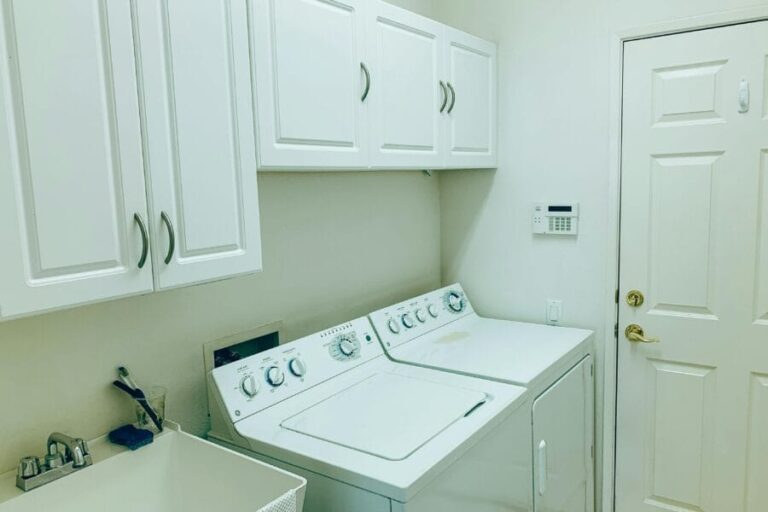

Maytag washers last about 10 to 15 years in most homes. This range reflects technician service data, long-term owner feedback, and observed failure patterns across common Maytag washer families like Centennial, Bravos, Commercial Residential, and newer high-efficiency models. This is slightly above the expected lifespan for the average washer of 8 to 14 years, learn more here. 10-15 years of life is similar to washers from Kenmore, with washers from Electrolux and Asko sitting just a tier above.
Washers used lightly with balanced loads often reach the upper end of the range. Heavy daily use, bulky bedding, and frequent overloading tend to shorten usable life.
Why Maytag Washers Age the Way They Do
Maytag has a reputation for heavy-duty laundry equipment, but modern designs vary widely. Some models still rely on robust mechanical systems, while others depend heavily on electronic controls and sensors.
Longevity is influenced less by branding and more by three core factors:
- Mechanical complexity
- Electronic exposure to moisture and vibration
- Load stress placed on bearings and suspension
Washers that minimize those stresses tend to last longer regardless of price.
Designs That Last the Longest
Maytag’s lifespan differences become clearer when viewed by construction rather than marketing line.
| Construction Style | Expected Lifespan | Primary Limiting Factor |
|---|---|---|
| Traditional top-load with agitator | 12 to 15 years | Suspension and transmission wear |
| High-efficiency top-load impeller | 10 to 13 years | Control boards and lid locks |
| Front-load washers | 9 to 12 years | Bearings and door seal moisture |
| Commercial-style residential models | 13 to 16 years | Electronics shared with consumer units |
Agitator-style top-load washers remain Maytag’s most durable option over time.
Common Failure Points by Age
Maytag washer issues tend to follow a timeline rather than appearing randomly.
Early life issues, usually within the first five years, are often minor and electronic. Lid locks, sensors, or control boards account for most service calls.
Mid-life failures between years six and ten typically involve suspension wear, drain pumps, and balance problems.
Late-life failures after year ten are usually mechanical. Bearings, shafts, and transmissions become louder and less tolerant of heavy loads.
How Usage Changes Lifespan
Two identical Maytag washers can fail years apart based solely on use.
Frequent washing of heavy loads like towels or comforters accelerates bearing wear. Consistently running oversized loads strains suspension rods and causes chronic imbalance. Excess detergent leaves residue that interferes with pressure sensing and draining.
Hard water also plays a role. Mineral buildup affects inlet valves, pumps, and internal flow paths if cleaning cycles are skipped.
Important Upkeep
Washers that reach 14 or 15 years usually share similar care patterns:
- Load sizes kept within rated capacity
- Periodic cleaning cycles to control buildup
- Addressing vibration or noise early
- Replacing hoses before leaks cause damage
Technicians often note that early intervention prevents secondary failures that end a washer prematurely.
Repair Costs in Context
Repair decisions depend on both cost and remaining lifespan, these costs reflect parts and labor.
| Issue | Typical Total Repair Cost |
|---|---|
| Lid lock or latch failure | $150 to $300 |
| Drain pump replacement | $200 to $350 |
| Suspension repair | $200 to $400 |
| Control board replacement | $300 to $600 |
| Bearing or transmission failure | $500 to $900 |
Smaller repairs often make sense through year 12. Major mechanical failures usually push owners toward replacement once the washer passes a decade of use. See how these costs compare to the average cost of washer repair.
Replacement vs Repair Decision
Replacing a Maytag washer usually makes sense when:
- The unit is over 12 years old
- Multiple failures occur close together
- A bearing or transmission repair is required
- The washer cannot maintain balance during spin
Simpler top-load models with a clean service history may still justify repair beyond 12 years if the failure is isolated.
How Maytag Compares Long Term
Maytag washers generally last longer than entry-level brands but do not reach the lifespan of premium manufacturers engineered for multi-decade use. Their strength lies in widely available parts and familiar repair procedures, which keeps ownership costs manageable over time. To see which brands last the longest, check out this article. Care more about sustainability? Check out our guide for the most eco-friendly washers.