
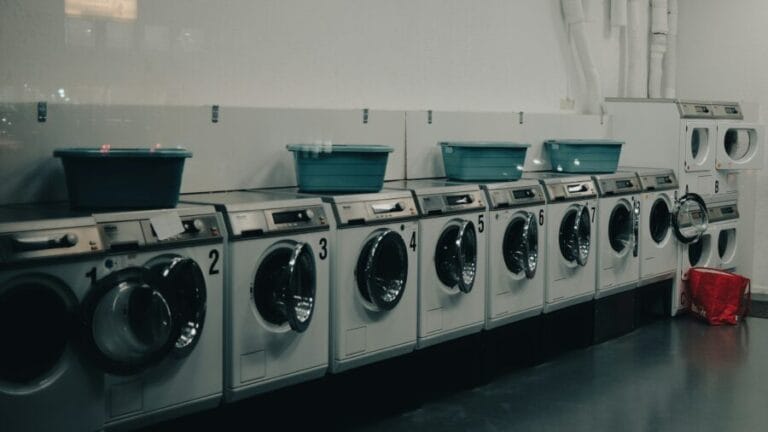

Commercial-grade appliances are designed for heavier use, simpler service paths, and longer service life than most residential models, often lasting years longer when installed in a home.
What “Commercial-Grade” Actually Means in Practice
In the field, commercial-grade is not a vague marketing promise. It reflects how the appliance is engineered, how often it is expected to run, and how the manufacturer expects it to be serviced over time. These machines are designed with the assumption that downtime is expensive and that repair is routine, not a failure of the product.
Early in my career, I serviced a small café that ran the same dishwasher nearly nonstop from early morning through dinner service. It had scratches, dents, and years of mineral buildup, but inside it was mechanically simple and still doing its job. That machine was not elegant, but it was honest. Commercial-grade equipment is built to survive abuse and keep working, not to impress during the first year of ownership.
At its core, commercial-grade means higher duty ratings, heavier structural components, and fewer parts that exist solely for convenience or aesthetics.
Design Philosophy Compared to Residential Appliances
Residential appliances are designed around comfort and efficiency. Noise reduction, water savings, sleek controls, and advanced cycles matter because the appliance is part of a living space. Commercial appliances take the opposite approach. They assume noise is acceptable, energy use is secondary, and reliability under stress matters most.
This difference becomes obvious during repairs. Residential machines often rely on integrated electronic boards that handle multiple functions at once. When one sensor fails, the entire board is replaced. Commercial machines tend to use individual switches, relays, and timers that fail independently and can be replaced one at a time.
I have seen homeowners shocked when a residential dishwasher needs a $300 board for a minor issue. On a commercial unit, the same symptom might trace back to a $20 pressure switch mounted in plain sight. That design choice is intentional.
Materials, Thickness, and Structural Integrity
One of the first things technicians notice is material thickness. Commercial-grade cabinets use heavier gauge steel. Frames are stiffer. Hinges, mounts, and brackets are oversized.
This does not make the appliance indestructible. It makes wear slower and more predictable. Metal bends gradually. Bearings get noisy before failing. Valves start leaking instead of snapping. Predictable wear gives owners warning and gives technicians options.
Plastic-heavy residential units often fail suddenly. A cracked housing or broken mount usually means replacement, not repair.
Duty Cycle and Why It Matters So Much
Duty cycle refers to how often and how long an appliance is designed to run. This is one of the most important differences and the least understood by consumers.
A residential washer might be designed for a few cycles per week. A commercial washer is designed for constant daily use. That difference drives bearing size, motor cooling, belt width, and vibration tolerance.
When a commercial-grade appliance is placed in a home, it is rarely stressed anywhere near its design limits. That is why these machines often last so long in residential settings. They are underworked.
I have serviced commercial washers in private homes that were well over fifteen years old with original motors still running smoothly. They were noisy and plain, but mechanically solid.
Controls, Electronics, and Diagnostic Simplicity
Commercial-grade appliances still use electronics, but they use fewer of them and in simpler ways. Touchscreens are rare. Interfaces are basic. Error codes tend to be direct and meaningful.
This simplicity speeds diagnosis. When something stops working, there are fewer layers to peel back. A technician can often trace a problem with a meter and visual inspection rather than software interpretation.
This is also why commercial machines feel dated to some homeowners. They sacrifice convenience features to reduce failure points.
Repair Expectations and Parts Availability
Commercial-grade appliances are built with repair in mind. Manufacturers expect pumps, valves, motors, and seals to be replaced multiple times over the life of the machine. This is often times not true of consumer appliances, which is why diagnostics and repair can be so difficult and expensive.
Parts are usually available longer. Service manuals are clearer. Components are mounted for access rather than compactness.
Repair costs per visit are often higher because parts are heavier and labor is more involved. Over time, though, owners usually experience fewer failures and longer gaps between service calls.
Efficiency and Resource Tradeoffs
Commercial-grade appliances are not optimized for residential efficiency standards. Water usage is often higher. Heating elements are more powerful. Motors draw more current.
These choices are made for consistency. A commercial dishwasher must clean effectively even with heavy soil loads and inconsistent water conditions. Reliability takes priority over conservation metrics.
For homeowners focused on utility bills, this can be a downside. For those focused on performance and longevity, it is often acceptable.
Noise, Size, and Living with Commercial Equipment
Commercial-grade appliances are louder and heavier. Insulation is functional, not refined. Fans and motors are audible because airflow and cooling matter more than silence.
I have had homeowners call back concerned about noise, only to find the machine was operating normally. What they were hearing was a motor running comfortably within its design range rather than straining quietly.
Size can also be an issue. Commercial units are often deeper, taller, or heavier than residential cabinetry expects.
Installation Quality Becomes Critical
Commercial-grade appliances assume proper installation. Electrical supply, water pressure, gas sizing, and venting must be correct.
When problems arise early, installation issues are often the cause. Undersized wiring, poor venting, or incorrect water supply can stress even the best-built machine.
Where Commercial-Grade Makes Sense at Home
Commercial-grade appliances make sense for large households, heavy cooks, frequent laundry users, and owners planning long-term ownership.
They also appeal to people who value mechanical honesty over features and silence. For light-use households, they can be unnecessary and expensive overkill.
I usually tell clients that commercial-grade works best when you use it less than it was designed for.
What Commercial-Grade Does Not Promise
Commercial-grade does not mean maintenance-free. Wear still happens. Cleaning and inspection still matter.
It also does not mean lower ownership cost. Upfront price is higher, and repairs are not cheap when they happen. Most importantly, it does not compensate for misuse. Overloading, neglect, and poor installation shorten lifespan regardless of build quality.
Residential appliances are designed to be replaced when they fail. Commercial-grade appliances are designed to be maintained. Neither approach is wrong. The right choice depends on how you live, how often you use your appliances, and how long you plan to keep them.
Understanding that difference prevents unrealistic expectations and helps homeowners choose equipment that actually fits their lifestyle.