
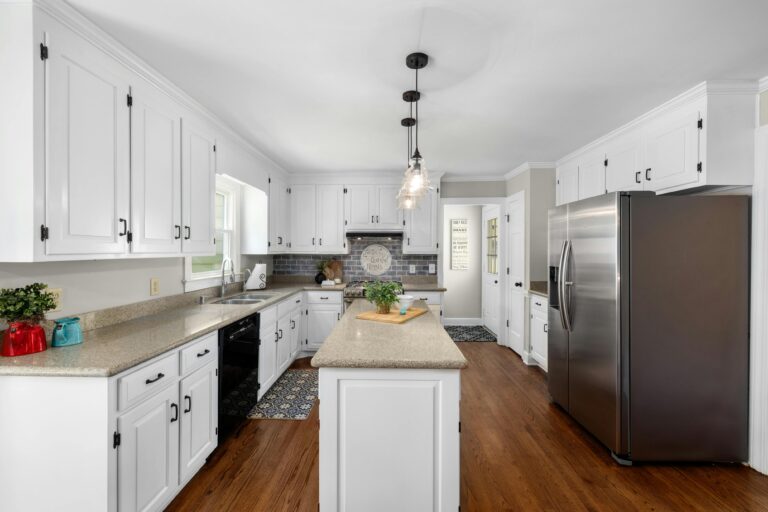

GE refrigerators usually fall in the 12 to 18 year range, with top-freezer models often hitting the upper end and French door or side-by-side models settling slightly lower. A well-maintained GE unit can run quietly and consistently for well over a decade, while harder-used models in tight spaces or warm environments tend to drop out earlier. An expected lifespan of 12-18 years puts GE slightly above the average refrigerator lifespan.
In service calls and owner reports, the difference between a 10-year machine and an 18-year one often comes down to airflow, coil temperature, and general maintenance. See why we rate GE as one of the best fridge brands for life expectancy.
How Model Type Influences Lifespan
Top-freezer GE refrigerators are the simplest design and typically last the longest. There’s less control electronics, fewer moving parts, and the refrigeration loop runs at a fairly relaxed load. Side-by-side and French door units offer more storage flexibility but include additional evaporator fans, dampers, and control boards. Those parts aren’t inherently unreliable, but the added complexity shortens overall lifespan because more components have the opportunity to wear.
Within the GE lineup, models with dual evaporators or advanced humidity-controlled drawers tend to experience electronic control issues sooner than traditional single-evaporator units. The compressor itself usually isn’t the weak point; it’s the support systems around it that age out first.
How Usage Conditions Affect Durability
A GE fridge installed with tight clearance around the back or sides will run hotter than intended. Refrigerators rely on steady airflow across the condenser to shed heat, and when that airflow is restricted, compressor temperatures climb. You see this especially in recessed kitchen alcoves or when the fridge is pushed fully against a wall. Units kept in garages deal with the opposite problem: extreme ambient temperatures. High heat loads in summer force long compressor run times, while cold winter conditions can interfere with normal cycling.
I’ve pulled apart GE units that should have lasted another five years but failed early because the condenser was buried in dust and pet hair. Increased compressor load is one of the fastest ways to shorten lifespan, even when everything else in the system is mechanically sound.
Early Wear Points on Aging GE Refrigerators
| Factor / Symptom | Impact on Lifespan | What It Usually Indicates |
|---|---|---|
| Model type (top-freezer vs French door) | Moderate | More electronics = more potential wear points |
| Restricted rear/side airflow | Major | Compressor runs hot; shortened sealed system life |
| Dirty condenser coils | Major | High compressor load, early failure risk |
| Evaporator fan noise (chirping) | Early wear sign | Bearings wearing; airflow declining |
| Inconsistent temperatures | Late-stage wear | Sensor drift or control board aging |
| Slow ice maker / freeze-ups | Common aging pattern | Valve wear or marginal freezer temps |
| Compressor hard starts | End-of-life | Sealed system nearing failure |
As GE fridges move into the second half of their life, the first issues tend to show up in the smaller components. Evaporator fan motors develop a chirping noise. Condenser fans slow down or stall. Ice makers begin freezing up or stop completing cycles. These issues are common across the brand and don’t necessarily mean the entire fridge is near failure. Replacing these parts can easily extend operation by several years. Click here to learn how much common repairs on GE fridges cost.
Control boards and thermistors also begin to drift with age, especially in models with more advanced electronics. Temperature swings, inconsistent defrost cycles, and incorrect readings often trace back to a sensor or board rather than the sealed system.
Learn more about these common issues and how to fix them.
How Maintenance Extends GE Fridge Lifespan
Regular maintenance makes a measurable difference. Clearing the condenser coils once or twice a year keeps compressor temperatures within normal limits (always unplug unit before cleaning coils). Inspecting the door gaskets and replacing them when they stop sealing well prevents constant humidity infiltration, which reduces run time and frost buildup. Changing water filters on schedule protects the ice maker and filter housing from clogging or leaking.
Owners who keep up with these small tasks often see their GE fridges last above the 15-year mark with only minor part replacements along the way.
When a GE Fridge Is Near the End of Its Life
Once a GE refrigerator reaches 15 to 18 years of use, the sealed system becomes the deciding factor. A compressor that struggles to start, refrigerant leaks, or a restricted cap tube usually signal the end. These repairs are expensive and rarely make sense on an older machine unless it’s a top-freezer model with a strong track record.
Most homeowners replace the fridge not because it stopped cooling entirely, but because overall efficiency has dropped or repeated smaller failures become inconvenient. If the compressor and sealed system are still healthy, replacing a failing fan or gasket buys more time without investing heavily in an aging unit.