
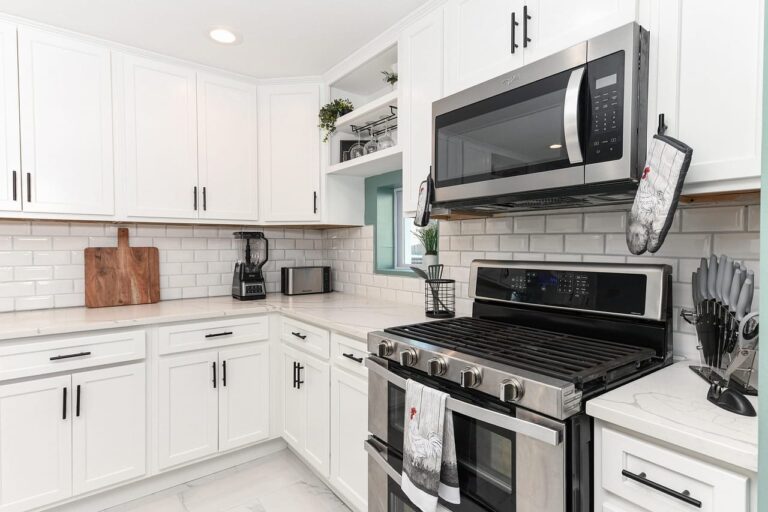

This guide looks at two brands that stand out when you factor in real durability, manageable repair costs, and everyday reliability: Panasonic and Whirlpool. Microwaves seem simple at a glance, but in practice the difference between a unit that lasts fifteen years and one that fails in three usually comes down to the quality of a few critical components and how committed the brand is to building serviceable machines. After years of repairing and tearing down different models, I can say that certain manufacturers consistently show fewer drop-offs, longer magnetron life, and fewer frustrating electronic failures.
Learn about the most eco-friendly brands here.
The information here comes from hands-on repair work, internal component teardowns, parts supplier failure trends, and feedback from owners across Consumer Reports, appliance forums, and distributors like RepairClinic and PartsTown. It reflects how these microwaves behave in actual homes rather than how they are marketed on the box.
Panasonic: Strongest Long-Term Reliability
Panasonic has earned a solid reputation for building dependable microwaves, especially in their inverter and countertop lines. Their units tend to age well because the internal components are higher grade than what I see in many similarly priced brands. In repair shops, Panasonic microwaves often show fewer magnetron failures before the ten-year mark, and owner feedback backs that up.
A major advantage Panasonic has is the quality of its magnetrons, which come from established suppliers known for stable long-term performance. Because inverter technology delivers smoother, continuous heating instead of the harsh on-off cycling found in older designs, it puts less strain on the magnetron and keeps internal temperatures more controlled. In my experience, this is one reason Panasonic microwaves maintain consistent heating deeper into their lifespan.
Part availability is also a bright spot. Panasonic keeps their components widely stocked, and many of the commonly replaced parts cost noticeably less than those from other premium brands. Turntable motors, thermostats, cavity thermostats, and sensors are easy to source and reasonably priced. The internal design is straightforward enough that repairs often take less time than expected. That keeps both part and labor costs manageable.
Another thing I have noticed is that Panasonic failures tend to be gradual. When a unit starts to lose heating power, the decline is slow, giving owners a chance to replace a component rather than the entire appliance. That characteristic alone saves a lot of Panasonic units from early retirement.
Learn more about Panasonic Microwave lifespan and repair cost.
Panasonic provides product and support information at https://shop.panasonic.com/pages/support-hub.
Whirlpool: Most Affordable to Repair and Easy to Maintain
Whirlpool’s over-the-range and countertop microwaves have a different strength. They are not always the most advanced models, but they are some of the easiest and least expensive to keep running. Whirlpool leans toward simpler, proven designs, which reduces the number of components that can fail. I have seen Whirlpool microwaves run twelve to fifteen years with only a stirrer motor or thermostat replacement along the way.
Their magnetrons are reliable and generally hold up under prolonged daily use. They may not offer the same refined inverter performance as Panasonic, but they avoid early burnout far better than many budget brands. Another strong point is how Whirlpool handles moisture exposure. Control boards in over-the-range microwaves often fail because steam from the cooktop enters the electronics. Whirlpool’s venting layout reduces that risk, and it shows in how few dead-board cases I see from them. Whirlpool also uses a high number of shared components across their microwave lineup. This makes parts inexpensive and easy to find.
Turntable motors, thermostats, switches, and fuses tend to cost noticeably less than their counterparts in other brands. Magnetrons are also cheaper than many competitors while still offering good performance. The internal layout is logical, which makes repairs faster and more predictable. For technicians, Whirlpool microwaves are straightforward machines that typically do not involve surprises during service.
Learn more about Whirlpool Microwave lifespan and repair cost.
Whirlpool maintains product and parts support at https://www.whirlpool.com/owners.html.
Why Longevity in Microwaves Varies So Much
Most microwaves fail for one of a few predictable reasons. The magnetron, which is the component that generates microwave energy to heat food, is usually the deciding factor in how long a unit stays useful. A good magnetron can run for many years before output weakens. A cheaper one can decline early even if the microwave is used lightly.
Control boards matter too. Modern microwaves often include sensor cooking, humidity readings, inverter regulation, and other extras. When a manufacturer uses stable capacitors, well-protected relays, and solid shielding around the board, the failure rate is dramatically lower.
Heat management also plays a larger role than most people realize. A microwave that keeps its magnetron and electronics properly cooled will outlast one with poor airflow. I have opened plenty of microwaves where heat staining around the magnetron or inverter board made it clear the unit never had a chance.
Repairability is the final piece. Even durable microwaves eventually need stirrer motors, thermostats, turntable motors, or small safety switches. Brands that use standardized, affordable parts make these repairs worthwhile, while others rely on proprietary components that are expensive or hard to source. Based on long-term reliability and cost to maintain, two brands consistently stand out.
How the Two Brands Compare in the Real World
Both brands offer above-average longevity, but their strengths fall in different areas. Panasonic leads on overall lifespan thanks to its high-quality magnetrons, controlled inverter heating, and well-managed airflow. Whirlpool leads in repair cost and ease of ownership because of standardized parts, simple layouts, and widely available low-cost components.
Most Panasonic microwaves last ten to fourteen years, sometimes more with light use. Whirlpool units generally fall into the ten to fifteen-year range depending on how they are installed and ventilated. Both brands avoid the early control board or magnetron failures that are common in lower-tier models. When it comes to repair cost, Whirlpool usually wins on price alone. Panasonic parts are still affordable compared to many premium brands, but Whirlpool’s widespread parts sharing keeps costs consistently lower.
Choosing Between Panasonic and Whirlpool
If your priority is the longest lifespan and the most consistent heating performance, Panasonic is the better choice. Their magnetrons and inverter boards simply last longer and perform more evenly over time. If lower repair costs and easy part sourcing matter more, Whirlpool is hard to beat. Their designs are simple, predictable, and inexpensive to repair even when the unit is several years old. Both brands are reliable enough that it is usually worth repairing them instead of replacing them. In a market where many microwaves are built to be disposable, Panasonic and Whirlpool still make units that are worth keeping in service.