

A sudden loss of hot water can feel like a crisis, but A.O. Smith water heater systems tend to leave a pretty clear trail when something fails. The most common causes vary depending on whether the heater is electric, gas fueled, a hybrid heat pump, or tankless. I’ve worked on enough of these units over the years to appreciate how consistent they are. Once you learn the signs for each type, the diagnosis becomes less of a puzzle and more of a step-by-step process. I recommend contacting a licensed professional to perform the troubleshooting and repairs for this issue. If none of these symptoms sound like your issue, check out our full troubleshooting guide here.
Electric Models: How to Track Down Heat Loss
Electric A.O. Smith tanks typically rely on a simple setup: two thermostats and two heating elements working in stages. When hot water disappears completely, the upper element or thermostat is usually the culprit. If you get a quick burst of heat followed by cold water, the lower element has likely failed. Homeowners often describe this as “fine for the first shower and useless after.”
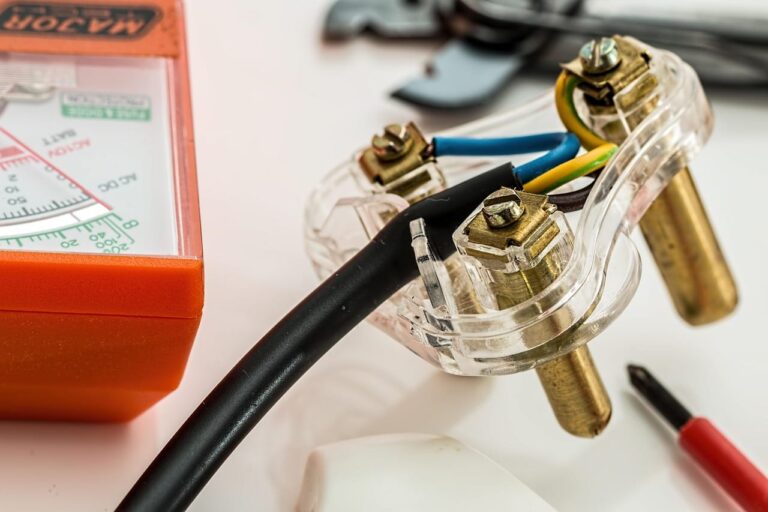
A technician will start with the basics. They’ll check the breaker to make sure the tank has power. If that looks good, they open the access panels; a thermostat that isn’t firmly against the tank or wiring that feels warmer than it should can both cause erratic heating. A multimeter will help confirm whether voltage is reaching the elements. If they see an open circuit on the lower element, they’ve found your issue.
The fix is usually replacement of the bad element or thermostat by a licensed pro. Draining enough water to expose the element threads is the only hands-on part. If the lower element has burned out, sediment buildup is often involved. I’ve pulled elements that looked like they’d been buried in plaster from years of mineral accumulation. Flushing the tank afterward gives the new components a better chance of surviving.
Gas Models: Why the Burner May Not Be Firing
Gas units lose heat for an entirely different set of reasons. A persistent lack of hot water usually starts with the pilot assembly or the gas control valve. If the pilot won’t stay lit or only stays lit while holding the control knob in, the flame sensor or thermocouple is likely worn. If the pilot looks strong but the burner never fires, the gas valve may not be opening.
Diagnosis by a technician begins with watching the pilot flame. A healthy flame has a steady blue shape and stays stable. A weak or flickering flame often points to a dirty pilot tube or flame sensor. Checking the combustion air intake is also worthwhile as these heaters don’t need much airflow, but even small blockages can disrupt the burner. I once found a unit starving for air because a homeowner stored cardboard boxes tight against the intake without realizing it mattered.
Fixes range from cleaning the flame sensor to replacing the thermocouple or gas valve. Burner assemblies usually survive with a cleaning unless rust or distortion is visible. A.O. Smith layouts are typically open enough that reaching the pilot assembly doesn’t feel like surgery.
Hybrid Heat Pump Models: When Heat Output Drops Off
Heat pump units rely heavily on airflow and sensor feedback. When hot water production slows or the unit starts running endlessly, airflow issues are the first thing to check. A clogged filter is far more common than a failed compressor. Many homeowners never think to clean that filter, and the heater slowly loses efficiency long before an error code appears.
A technician will start by cleaning the filter and inspecting the evaporator coil for dust. A blocked condensate drain can also halt heating because the unit senses improper operating conditions. When everything is clean and the heater still struggles, the fan motor, sensors, or control board become the next suspects. I’ve seen plenty of these units bounce back to full performance simply by restoring airflow.
Repairs here depend on the failing part. Fans and sensors are accessible and reasonably priced. Compressors cost considerably more, so correct diagnosis matters before replacing anything major.
Tankless Models: Why They Fail to Ignite or Maintain Heat
Tankless A.O. Smith systems need the right combination of flow, clean sensors, and steady ignition to produce hot water. When heat drops out entirely, ignition failure or restricted flow are the most common causes. Homeowners often report that hot water starts, then abruptly cuts out.
A technician will begin by checking the inlet filter on the cold side. Mineral buildup or debris can block it enough that the heater can’t sense proper flow. If the filter is clean and the unit still won’t ignite, the flame sensor, igniter, or gas supply often takes the blame. Scale inside the heat exchanger can also cause erratic heating, especially in hard water regions.
Fixes are usually straightforward: cleaning the inlet screen, descaling the unit, or replacing a worn igniter or sensor. These repairs go faster on A.O. Smith than on some other brands because their tankless models usually leave enough room to access the components without dismantling half the unit. One service call that sticks with me involved a tankless heater that had completely shut down; the only problem was a layer of rust sediment caked onto the inlet screen from an old galvanized line upstream.
Final Thoughts
A.O. Smith heaters may fail in different ways depending on the fuel source and design, but the core symptoms tend to point you in the right direction quickly. Electric units steer you toward elements and thermostats, gas units toward pilots and burners, hybrids toward airflow problems, and tankless systems toward flow or ignition faults.
Deciding between repair and replacement can be unclear. Our free Repair or Replace Tool helps turn that uncertainty into a clearer recommendation. If you want to know how much these repairs will cost, check out our full repair cost guide.