
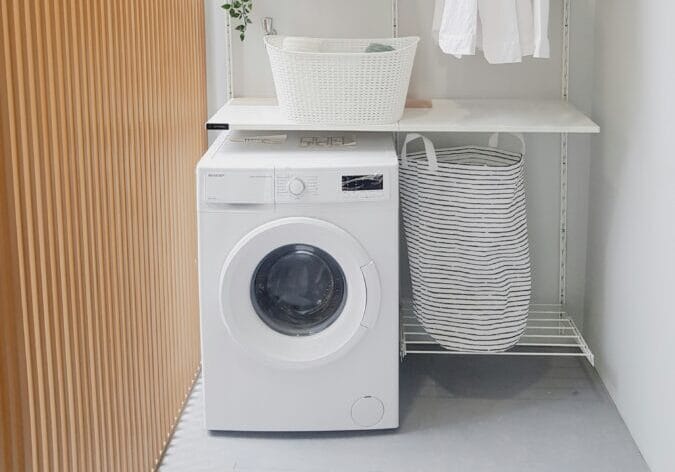

Amana washers last roughly 7 to 11 years under normal household use. This places them slightly below mid range brands and well below premium long life machines, which aligns with how Amana positions its products.
Amana focuses on affordability, mechanical simplicity, and easy servicing. That approach keeps purchase prices and repair bills lower, but it also means lighter duty components in areas like suspension, bearings, and control electronics. Amana’s average lifespan of 7-11 years falls slightly below the lifespan of 8-14 years for the average washer. This is similar to brands like Insignia, Haier, Frigidaire, Whirlpool, and Hotpoint. Amana dryers tend to last slightly longer with an average lifespan of 10-14 years.
Lifespan by Amana Washer Type
| Washer Type | Average Lifespan | Common End of Life Cause |
|---|---|---|
| Top load agitator | 8 to 11 years | Suspension wear, belt failure |
| Top load impeller | 7 to 10 years | Balance system wear, motor strain |
| Front load washer | 7 to 9 years | Bearings, door lock, control board |
| Compact washer | 6 to 9 years | Pump wear, electronics |
Top Load Agitator Washers
Amana top load agitator washers usually last 8 to 11 years. These are the most durable machines in the Amana lineup and are commonly found in rental properties and entry level homes.
The mechanical design is straightforward. Belt drive systems, basic motors, and minimal electronics reduce complexity. Failures typically involve drive belts, suspension components, or lid switches rather than expensive electronics.
High Efficiency Top Load Washers
High efficiency impeller style Amana washers tend to last 7 to 10 years. These machines are more sensitive to load balance and oversizing.
Owners often report increased vibration or spin issues as the washer ages. Suspension wear and motor strain become more noticeable, especially in households washing bulky items frequently.
Front Load Washers
Amana front load washers usually fall in the 7 to 9 year range. While efficient, they rely on sealed bearings, door locks, and electronic controls that are not designed for extended service life.
Moisture related wear is common. Door boot deterioration, drain pump noise, and intermittent lock errors appear earlier compared to more premium front load brands.
What Owners Notice as Amana Washers Age
Early on, most Amana washers run quietly and predictably. As they approach mid life, changes in sound and movement usually show up first.
Top load units often develop louder spin cycles or mild shaking due to suspension wear. Front load models may show longer drain times or hesitation before spinning.
By year 7 or 8, many owners report repeated small repairs rather than one major failure. This gradual decline is typical of value focused machines.
Common End of Life Failures
Amana washers rarely fail catastrophically. Instead, they reach a point where repair costs no longer make sense.
Common end of life issues include worn suspension rods, leaking tub seals, bearing noise, and control board failures. Control boards are the most expensive repair and often trigger replacement decisions.
Because these washers are inexpensive to buy, technicians frequently recommend replacement once major components fail outside warranty.
Why Amana Washers Are Built This Way
Amana washers are designed to be accessible and replaceable rather than rebuilt indefinitely. Parts are generally affordable, but machines are not engineered for deep component replacement like bearing rebuilds.
This design philosophy works well for owners who value low upfront cost and predictable ownership. It is less appealing for buyers looking for a washer that can be maintained for 15 years or more.
When Repair Is Still Worth It
In the first half of their lifespan, Amana washers are usually worth repairing. Belt replacements, lid switches, drain pumps, and inlet valves are all reasonable fixes.
Once the washer passes 8 years old, larger repairs require more caution. If labor and parts approach half the cost of a new washer, I’d typically advise replacement.
How Technicians Help Amana Washers Last Longer
Technicians focus on load management and balance. Evenly distributed loads reduce strain on suspension systems and motors.
Proper leveling is critical. An unlevel Amana washer accelerates suspension and bearing wear faster than heavier built machines.
For front load units, technicians emphasize moisture control. Gasket cleaning and airflow between cycles help slow seal deterioration. Power is disconnected before any internal inspection or service.
Is Amana a Good Choice for Longevity
Amana washers are not built for maximum lifespan, but they deliver predictable service within their intended range. For budget conscious buyers or rental properties, they offer solid value and manageable repair costs. For homeowners prioritizing long term durability over upfront savings, heavier duty brands are usually a better fit. See our picks for the most durable brands here.