

Appliance lifespan is often decided within the first few years of ownership, and the deciding factors are usually specific components rather than the cabinet or brand name.
I have opened thousands of appliances that were retired early, and most of them looked fine from the outside. Stainless still shined. Buttons still clicked. Inside, the same small group of parts had already crossed a wear threshold they never recovered from.
Why Early Component Choices Matter More Than Brand Names
Manufacturers lock in lifespan very early through component sourcing. Motor design, bearing quality, electronic board protection, and thermal margins are chosen long before marketing teams pick model names.
Once those decisions are made, usage patterns only accelerate or slow down an outcome that was already baked in. This is why two machines used the same way can age very differently.
Drive Motors And Bearings
Motors and their bearings decide more appliance lifespans than any other part category.
In washing machines and dryers, bearing size and lubrication quality determine whether a unit hums smoothly at year ten or screams itself to death at year six. Smaller bearings save cost and space but run hotter and wear faster. I have seen machines with otherwise intact tubs scrapped because a sealed bearing failed and could not be economically replaced.
In refrigerators and dishwashers, motor windings and startup stress matter. Soft start designs last longer. Hard starts fatigue insulation early, even if the motor survives for years afterward.
Control Boards And Electronics
Modern appliances live or die by their electronics.
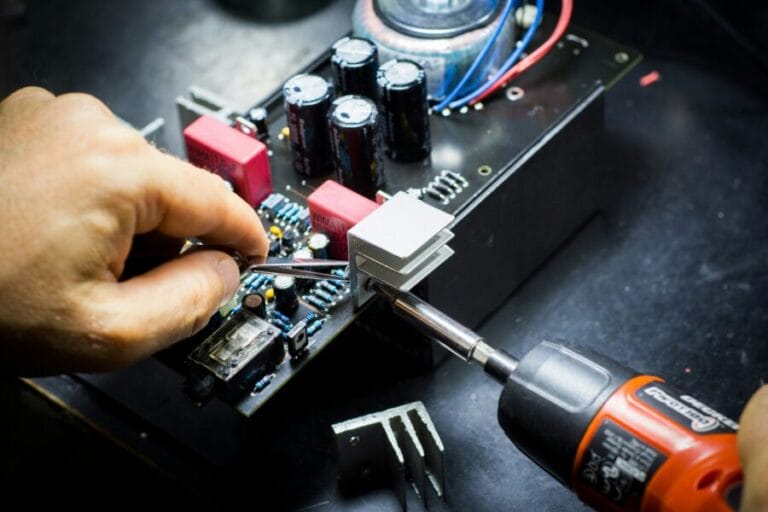
Control boards fail early when they are exposed to moisture, heat, or voltage irregularities without adequate protection. Conformal coating, sealed housings, and proper heat sinking add cost, so many boards are left vulnerable.
Anecdotally, I have replaced more control boards in lightly used appliances than motors. In many cases, the mechanical system was barely worn. The electronics simply aged out.
Once a proprietary board fails out of warranty, the appliance lifespan is often functionally over.
Seals, Gaskets, And Water Management
Seals do quiet damage long before owners notice.
Door gaskets, pump seals, and shaft seals protect bearings, electronics, and motors from moisture. When they degrade early, secondary damage begins. A small leak that goes unnoticed for months can corrode connectors, contaminate bearings, and wick moisture into insulation.
This is especially common in dishwashers and front load washers. I have seen machines where the primary failure was a $15 seal, but the collateral damage totaled the appliance.
Heating Components And Thermal Stress
Heat shortens lifespan faster than almost anything else.
Heating elements, thermostats, and temperature sensors are stressed every cycle. Thin elements heat quickly but fatigue sooner. Poor airflow around heaters accelerates failure in dryers and ovens.
Excess heat also cooks nearby wiring and plastic housings. Many appliances fail not because the heater breaks, but because everything around it slowly degrades.
Plastic Structural Components
Plastics are used more aggressively than ever.
Pump housings, spray arms, and mounting brackets made from low grade plastic embrittle with heat and detergent exposure. Early cracking leads to vibration, leaks, and misalignment.
I often see machines retired because plastic structural parts are no longer dimensionally stable, even though the core mechanical systems still work.
Components That Decide Lifespan At A Glance
| Component Type | Failure Impact | Typical Early Failure Window | Lifespan Effect |
|---|---|---|---|
| Motors and bearings | Catastrophic | 5–8 years | Often ends appliance |
| Control boards | High | 4–7 years | Repair may exceed value |
| Seals and gaskets | Progressive | 3–6 years | Causes secondary damage |
| Heating elements | Moderate | 6–10 years | Can shorten wiring life |
| Plastic housings | Progressive | 4–8 years | Leads to leaks and noise |
Why Some Appliances Age Gracefully
Appliances that last tend to share a few traits. Oversized bearings. Conservative thermal design. Electronics isolated from moisture. Plastics used structurally only where stress is low.
When those choices are made early, normal household use rarely kills the machine.
When they are not, lifespan is already limited, regardless of how carefully the appliance is treated.