
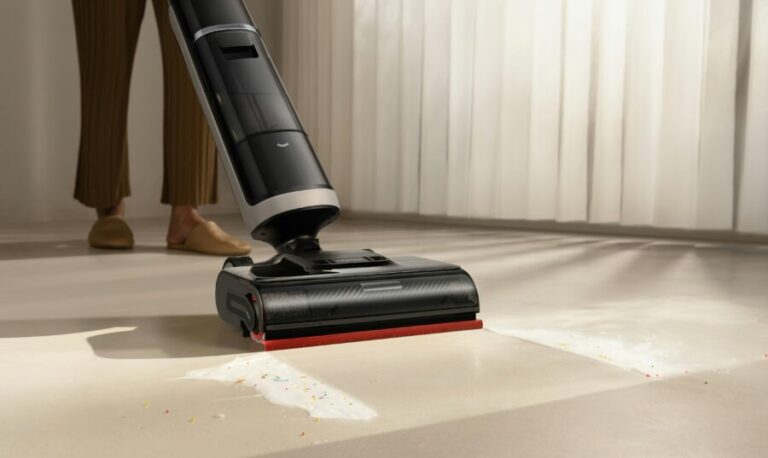

Eureka vacuums last about 5 to 10 years under typical household use when they are cleaned and maintained regularly. In day to day service work and personal ownership, that range holds up consistently across upright, canister, and lightweight models, with design and usage habits making the biggest difference.
Typical Lifespan by Model Category
Different Eureka designs age differently based on motor size, airflow path, and how hard they are usually worked.
| Model Category | Common Models | Average Lifespan | Notes |
|---|---|---|---|
| Upright Vacuums | PowerSpeed, NEU180 | 7 to 10 years | Larger motors and serviceable belts |
| Canister Vacuums | Mighty Mite | 6 to 9 years | Lower strain and smoother airflow |
| Lightweight Stick | RapidClean, Whirlwind | 4 to 7 years | Compact motors, lighter construction |
| Handheld | Pet-focused models | 3 to 5 years | Frequent starts and stops |
This table highlights how Eureka vacuum lifespan varies by design and workload. Upright models like the PowerSpeed and NEU180 last the longest because their larger motors and serviceable belts are built for extended run times. Canister vacuums such as the Mighty Mite place less strain on internal components due to smoother airflow and lighter floor contact. Lightweight stick vacuums use smaller motors and lighter construction, which shortens lifespan under frequent use. Handheld models see the most wear because repeated starts and stops accelerate motor fatigue.
What Determines Eureka Vacuum Longevity
One PowerSpeed upright I helped service recently was still running well at year nine. The owner replaced the belt twice, cleaned filters monthly, and never ran it with a packed dust cup. In contrast, a RapidClean stick used daily for dog hair lost suction permanently after about four years due to motor wear. Usage and maintenance habits play a major role in determining Eureka vacuum longevity.
Motor Load and Runtime
Motor stress is the single biggest factor. A vacuum used weekly on mixed flooring lasts far longer than one used daily on dense carpet or pet hair. Small motors pushed beyond their intended duty cycle overheat and fail early.
Maintenance Habits
Most early failures I see are maintenance related. Full dust cups restrict airflow, dirty filters raise motor temperature, and tangled brush rolls strain belts and bearings. Simple routine care adds years of service life.
Floor Type and Debris
Thick carpet, pet hair, and fine dust are harder on vacuums than hard floors. Homes with multiple pets usually sit closer to the lower end of the lifespan range.
Storage Conditions
Vacuums stored in damp garages or basements develop electrical and bearing issues sooner. Dry indoor storage matters more than most owners realize.
Maintenance That Extends Service Life
This is the same checklist technicians follow during routine service.
Dust Cup and Bag Care
Empty after every use. Wipe the interior monthly to prevent fine dust buildup.
Filter Cleaning
Wash foam or fabric filters every one to two weeks if washable. Replace paper filters as recommended.
Belt and Brush Roll Inspection
Inspect quarterly. Remove wrapped hair and replace belts showing cracks or slack.
Overheating Prevention
If the vacuum smells hot or loses airflow suddenly, shut it off and let it cool before continuing.
Repair vs Replacement Guidance
Eureka vacuums are priced to be repairable up to a point.
Repair usually makes sense when suction loss is caused by filters, hoses, belts, or brush roll parts. Learn more about how much these repairs will cost you in our article here, or how to troubleshoot them here. Replacement makes more sense when the motor fails electrically or when repair cost approaches half the price of a new unit. Lightweight stick vacuums rarely justify major motor work. If you need to replace your Eureka vacuum, check out our recommendations for the most durable replacements.
Loss of suction that returns quickly after cleaning, louder motor noise, excessive vibration, and intermittent starting are all common late life symptoms. Multiple symptoms together usually indicate internal motor wear.
Summary
Most Eureka vacuums last between 5 and 10 years, with uprights lasting the longest and lightweight sticks wearing out sooner. Consistent maintenance and realistic use expectations matter more than brand name. Owners who clean filters, manage debris, and avoid overheating routinely get several extra years from their machines.
Eureka vacuum lifespan is comparable to vacuums from Dyson and LG and is around market average. Our lifespan data is sourced from a combination of repair technician experience, large-scale owner feedback, teardown analyses, and product specifications.