
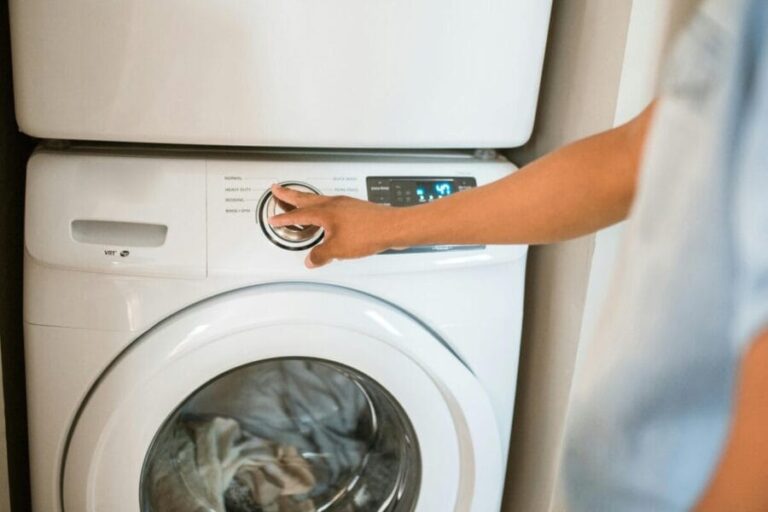

Whirlpool washing machines repairs usually cost $150–$350 for most common failures, with simpler mechanical fixes landing near the low end and bearing or control issues pushing costs higher. Labor accounts for a large portion of the bill, especially on front load machines that require deeper disassembly. In many cases, Whirlpool washers remain economical to repair through mid-life due to widely available parts.
Average Whirlpool Washer Repair Cost
Across appliance service invoices and technician reports, Whirlpool washer repairs cluster tightly in the mid range compared to other major brands. The brand’s modular design and strong parts supply keep costs lower than premium imports, but higher than barebones budget units.
Minor repairs such as switches or hoses often stay under $200. Major internal repairs regularly exceed $300 and quickly approach replacement territory on older machines. Learn about how to diagnose common Whirlpool washer issues in our article here.
Common Whirlpool Washer Repairs And Costs
| Symptom | Likely Repair | Part Cost | Total Cost With Labor |
|---|---|---|---|
| Washer will not start | Lid lock or door switch replacement | $25–$70 | $90–$180 |
| Won’t drain or leaves water | Drain pump replacement | $40–$110 | $150–$280 |
| Excessive shaking or banging | Suspension rods or dampers | $50–$120 | $140–$260 |
| Slow or no water fill | Inlet valve replacement | $30–$80 | $120–$220 |
| Random shutdowns or error codes | Control board replacement | $120–$250 | $220–$380 |
| Loud rumbling during spin | Bearing or tub repair | $150–$300 | $350–$600 |
| Washer won’t spin | Drive actuator or clutch repair | $40–$90 | $150–$300 |
| Water leaking from bottom | Hose, pump seal, or tub gasket | $20–$85 | $130–$260 |
Repair Cost by Washer Type
Top Load With Agitator
Agitator models are the least expensive Whirlpool washers to repair. Most components are easy to access, and labor times are shorter. Many repairs fall below $250, making fixes worthwhile even later in the washer’s life.
Top Load Impeller
Impeller machines cost slightly more to repair due to suspension complexity and higher bearing loads. Balance related repairs are common and can add labor time, pushing costs toward the middle of the range.
Front Load Washers
Front load Whirlpool washers are the most expensive to repair. Seal leaks, bearing failures, and control issues require extensive disassembly. Once repair estimates exceed $400, many owners opt for replacement.
What Drives Whirlpool Repair Costs Higher
Labor Time
Labor often exceeds parts cost, especially when the tub, rotor, or rear panel must be removed. Front load machines and stacked units carry the highest labor charges.
Age And Corrosion
Older washers with rusted fasteners or seized bearings take longer to service. Hard water environments accelerate seal and bearing damage, increasing both parts and labor costs.
Multiple Simultaneous Failures
A washer with vibration, drainage, and electrical faults often generates stacked repair estimates. Even if each issue is modest alone, combined repairs frequently exceed the washer’s remaining value.
When Repair Is Worth It
Repairs under $250–$300 usually make sense on Whirlpool washers under eight years old, particularly top load models. These machines often deliver several additional years of service after common wear parts are replaced.
Once a washer approaches ten years and needs a control board or bearing repair, replacement is usually the better financial decision. Check out this article to learn how long your Whirlpool washer should last under normal use. For advice on what your next washer should be, check out our recommendations for the most durable washers.
How To Reduce Future Repair Costs
Avoid overloading, keep the washer level, and address imbalance or unusual noises early. Cleaning dispensers and seals reduces pump strain, while proper detergent use limits residue related failures. These steps do not eliminate repairs, but they often delay expensive ones.