
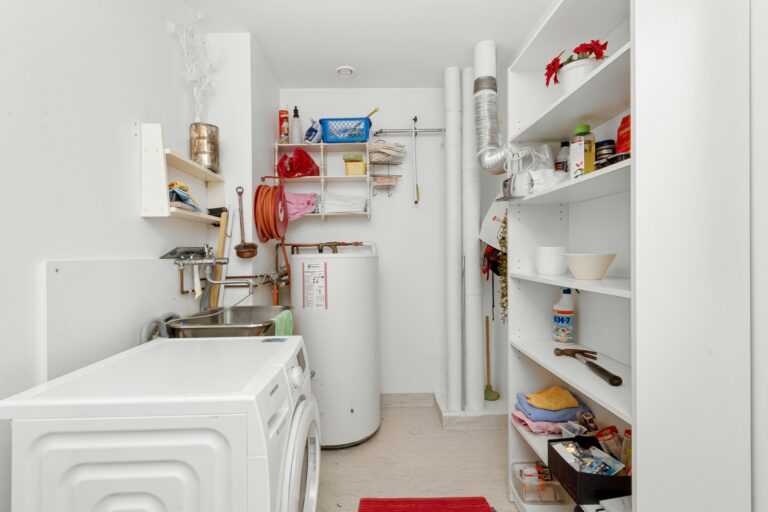

Sustainability in water heaters starts with two things. Energy use day to day and how long the equipment lasts before it needs to be recycled. Rheem and Bosch tend to stand out in both categories because they build efficient heaters that also avoid early failures, which reduces manufacturing impact over time. I have serviced more Rheem units than any other brand on this list, and a noticeable share of their tanks and tankless systems are still running well past the point where cheaper units would have corroded, clogged, or shorted out. Bosch, particularly on the tankless side, focuses heavily on lean manufacturing and long lived heat exchangers that handle years of mineral buildup with proper maintenance.
Just want to know which water heater brands last the longest and are the cheapest to repair? Check out this guide.
Rheem
Rheem has one of the broadest lines in the North American market. Their heat pump hybrids are some of the lowest energy consumption units available, especially in moderate climates where the heat pump stays active year round. From a sustainability standpoint, their electric heat pump models often cut energy use by more than half compared to a standard resistance heater. Rheem’s gas tanks and tankless systems also use burners and heat exchangers that resist scaling better than many budget brands, which helps extend lifespan. The company publishes more detailed environmental performance data than most water heater manufacturers, and their North American factories have been working toward lower water use and landfill diversion for several years. Parts availability is also good, which helps owners repair a failing control board or thermostat instead of replacing the whole system. Learn more about Rheem water heater lifespan and repair costs.
Bosch
Bosch leans toward engineering heavy, long lived designs. Their tankless heaters are known for stainless steel or copper heat exchangers that hold up under high temperature cycling. They are also among the more energy efficient gas tankless systems, especially in homes that use hot water consistently throughout the day. Bosch has been pushing circular manufacturing practices within its appliance divisions for a long time, focusing on recycled metals and lower energy production methods. Their electric mini tanks and mid size heaters show similar attention to efficiency. While Bosch is not as dominant in full size tank heaters in North America, the units they do produce prioritize sturdy construction and simple, repairable controls. Check out these articles to get more info on Bosch water heater lifespan and repair costs.
Different Types of Water Heaters
Different water heater types behave very differently when viewed through the sustainability lens.
Heat Pump Electric
This is the most sustainable option in most climates. Rheem and a handful of smaller brands lead here. A heat pump uses a fraction of the electricity of a traditional resistance heater. Longevity tends to be strong as long as the evaporator coil stays clean and the condensate drain is maintained. Bosch does not compete heavily in this category in the US, so Rheem is the clear leader for sustainability here.
Gas Tankless
Bosch has an advantage here. Their heat exchangers are durable and designed to be descaled multiple times over the life of the unit, which dramatically extends usable service life. Rheem tankless systems are also reliable and energy efficient. Tankless units in general outperform storage tanks for sustainability when water quality is good and scale maintenance is performed regularly.
Electric Tank
These are simple machines with straightforward components. Rheem tends to build tanks with consistent enamel coating and accessible thermostats. Repair costs stay low, which supports sustainability by keeping the tank in service longer. Bosch makes fewer full size electric tanks for the US market, but the units that appear in the field are solid and have low standby losses.
Gas Tank
Rheem builds a very serviceable gas tank. Their burners and flame arrestor designs tend to stay stable for many years. Sustainability is tied largely to how well the tank resists corrosion. Rheem tanks perform above average here. Bosch is not a major player in US gas tank heaters.
Summary
When you put everything together, the most sustainable choices from these brands tend to fall into clear categories. Rheem heat pump units for lowest energy use. Bosch and Rheem tankless systems for long lifespan and reduced material waste. Electric tanks from Rheem for simple, repairable designs with predictable performance.
Sustainability in this space is not a one line claim. It shows up in how long a heater lasts, how easy it is to repair, how much energy it burns each year, and what the manufacturer is doing behind the scenes to reduce its footprint. Rheem and Bosch have taken different paths, but both push past industry average in real, measurable ways. In homes where I have installed or serviced these systems, they tend to be the ones still running years later without major failures, which is the most honest sustainability metric a water heater can earn.