
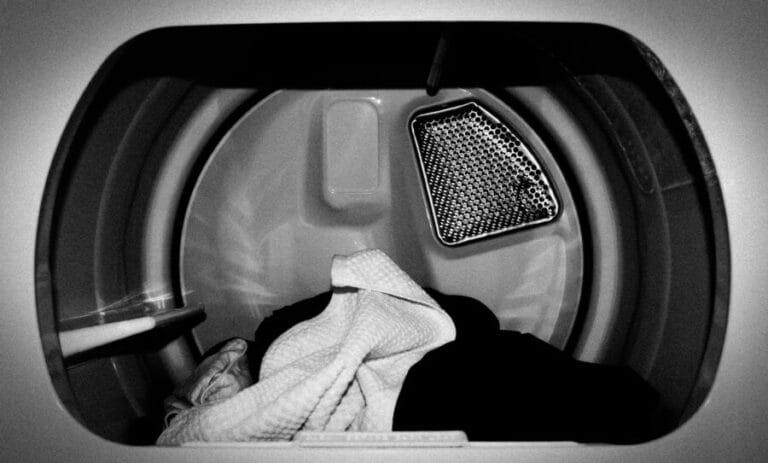

GE dryers last about 10–14 years under normal residential use, with simpler electric vented models often running longer than feature-heavy or heavily used units. This is right about the average lifespan for most consumer dryers.
See the average lifespan for GE washers here.
What “Lifespan” Means For A GE Dryer
Lifespan is not just how many years the dryer turns on. In appliance service, it means how long the unit operates without major component failure such as a motor burnout, heating system failure, or electronic control breakdown. A dryer can technically run for years while delivering poor drying performance, excessive noise, or repeated shutdowns. Most owners consider end of life when repair costs start approaching replacement value or reliability drops enough to affect daily use.
In my experience inspecting GE dryers in mixed-use households, many reach the decade mark with only minor service. Past that point, wear accumulates and repair decisions become more cost-sensitive.
Average GE Dryer Lifespan By Type
GE produces a wide range of dryers, from basic top-control electric units to smart-enabled front-load designs. Construction and complexity matter.
Electric vented dryers generally last the longest. Gas dryers have slightly more components that can shorten lifespan. Condenser and heat pump models save energy but add electronics and airflow systems that can limit long-term durability.
| GE Dryer Type | Typical Lifespan | Notes On Durability |
|---|---|---|
| Electric vented | 12–14 years | Fewer parts, simpler heating system |
| Gas vented | 10–13 years | Burner and igniter add wear points |
| Smart-enabled models | 9–12 years | Control boards and sensors age faster |
| Compact or condenser | 8–11 years | Airflow and moisture stress components |
Popular GE dryer lines such as Profile, Café, and standard GE models all fall within these ranges. Longevity differences usually come down to features and usage rather than brand tier alone.
What Owners Typically Notice As GE Dryers Age
The first changes are rarely catastrophic. Most GE dryers give warning signs well before failure.
Drying times slowly increase even with clean vents. This often traces back to heating element fatigue or airflow restriction inside the cabinet. Noise profile changes are also common. A thump, squeal, or rumble usually points to drum rollers, idler pulleys, or belt wear.
Around years 8–10, I often see more service calls for intermittent heat or random cycle shutdowns. On smart models, display errors or unresponsive touch panels become more common. These issues do not always justify replacement but they signal the dryer entering late-life service.
Factors That Most Affect GE Dryer Longevity
Usage frequency plays a larger role than most owners realize. A dryer running five or six loads per week accumulates wear much faster than one used lightly. Large, dense loads accelerate strain on motors and belts.
Ventilation quality is another major factor. Long or partially blocked vents trap heat and moisture inside the cabinet. That extra heat shortens the life of heating elements, thermostats, and control boards. I have seen dryers lose several years of potential life due to poor vent design alone.
Maintenance habits also matter. Cleaning the lint filter every load helps, but periodic vent cleaning and keeping moisture out of the control area have a larger long-term impact.
How GE Compares To Other Major Dryer Brands
GE dryers sit in the middle-to-upper range for longevity among mainstream brands. They typically outlast entry-level models from budget brands but do not match the 18–20 year durability seen in commercial-style machines. GE dryers last a similar length to dryers from Amana and Kenmore.
What GE does well is parts availability. Even older models often have accessible replacement parts, which extends usable life when repairs make financial sense.
Common Failure Points Near End Of Life
GE dryers tend to fail in predictable ways rather than suddenly. Heating elements weaken or open electrically. Motors may still run but struggle under load. Drum support components wear unevenly, causing noise and vibration. On electronic models, control boards fail from heat exposure or power surges.
This is how a technician would typically evaluate the unit. Power is disconnected, resistance values are checked, airflow is verified, and mechanical wear is inspected. The decision to repair often hinges on whether multiple systems show age at the same time.
Repair Versus Replacement Reality
Many GE dryer repairs are affordable earlier in the lifecycle. Belts, rollers, thermostats, and even heating elements are reasonable repairs when the dryer is under 8–9 years old. Once the dryer is beyond 10–12 years, multiple repairs in a short period usually indicate diminishing returns. Repair cost matters too. A motor plus control board replacement can approach $300–$500 depending on labor rates. At that point, replacement becomes more attractive for most households. Check out our picks for the most eco-friendly dryer brands or the most durable brands for a replacement.
When A GE Dryer Is Near The End
A GE dryer nearing end of life usually shows several signs together. Dry times become inconsistent. Noise increases. Heat output fluctuates. Electronics act unpredictably. If two or more of these symptoms appear at once after a decade of use, most technicians would advise planning for replacement rather than investing heavily in repairs.
Extending The Life Of A GE Dryer
Dryers that reach the 14-year mark almost always benefit from good airflow and moderate use. Keeping vent runs short, cleaning them annually, and avoiding chronic overloading helps more than any other habit.
Even simple models can fail early if heat is trapped or loads are oversized. Longevity is less about brand claims and more about operating conditions.
Bottom Line On GE Dryer Lifespan
GE dryers typically last 10–14 years, with simpler electric vented models lasting longest. Heavy use, poor ventilation, and complex electronics shorten lifespan. With reasonable maintenance and airflow, many GE dryers deliver a full decade or more of reliable service before replacement becomes the smarter option.